
SINGLE TOOTH IMPLANT IN DUBAI FOR NATURAL & PERMANENT TOOTH REPLACEMENT
Single Tooth Implant in Dubai, Business Bay
Replace a missing tooth with a natural-looking and long-lasting solution using a single tooth implant in Dubai. At Bay Avenue Dental Centre in Business Bay, we provide advanced implant treatments designed to restore both function and aesthetics without affecting surrounding teeth. If you are searching for tooth implant in Dubai, dental implant for one tooth, or a permanent alternative to bridges, our experienced implant specialists offer precise, comfortable, and customized treatment tailored to your needs.
Single Tooth Implant in Dubai | Replace One Missing Tooth
Single Tooth Implant in Dubai, Natural & Permanent Tooth Replacement
Losing even a single tooth can affect your smile, confidence, and oral health. It can lead to shifting of nearby teeth, difficulty chewing, and gradual bone loss in the jaw.
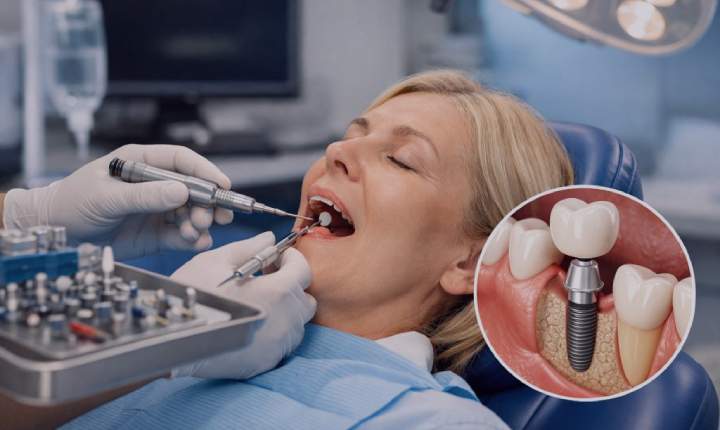
A single tooth implant in Dubai is one of the most effective and long-lasting solutions for replacing a missing tooth. Unlike traditional bridges, a dental implant replaces the entire tooth structure — from root to crown — without affecting adjacent teeth.
At Bay Avenue Dental Centre in Business Bay, we provide advanced single tooth implant treatments designed to restore function, aesthetics, and long-term oral health.
If you are searching for tooth implant in Dubai, dental implant for one tooth, or a permanent alternative to bridges, our experienced implant specialists offer precise, comfortable, and customized treatment tailored to your needs.
What Is a Single Tooth Implant?
A single tooth implant is a modern dental solution designed to replace a missing tooth completely from root to crown. It closely mimics the structure of a natural tooth, making it one of the most effective and long-lasting treatment options available in dentistry today.
The implant system is made up of three essential components that work together to restore both function and aesthetics.
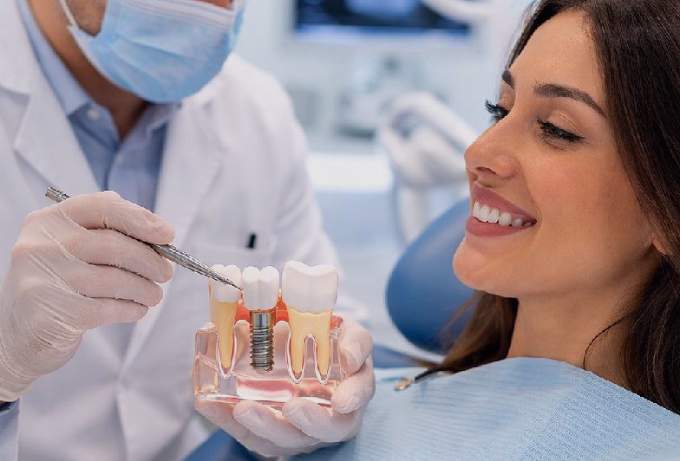
Titanium Implant (Artificial Root)
The implant itself is a small, biocompatible titanium post that is surgically placed into the jawbone. Over time, it integrates with the bone through a natural process called osseointegration. This creates a stable and durable foundation, similar to the root of a natural tooth.
Abutment (Connector)
The abutment is a connector placed on top of the implant. It serves as the link between the implant and the final crown, ensuring proper alignment and stability.
Dental Crown (Visible Tooth)
The crown is the visible portion of the implant. It is custom-designed to match the color, shape, and size of your natural teeth, ensuring a seamless and natural appearance.
How a Single Tooth Implant Differs from Other Options
When considering tooth replacement, patients often compare implants with bridges and dentures. However, the differences are significant.
Unlike dental bridges, implants do not require the adjacent teeth to be filed down or altered. This helps preserve the natural tooth structure and avoids unnecessary damage.
Similarly, unlike removable dentures, implants are fixed in place. They do not shift or move while speaking or eating, providing a much more stable and comfortable experience.
👉 Because of these advantages, single tooth implants are considered the most conservative, functional, and long-term solution for replacing a missing tooth.
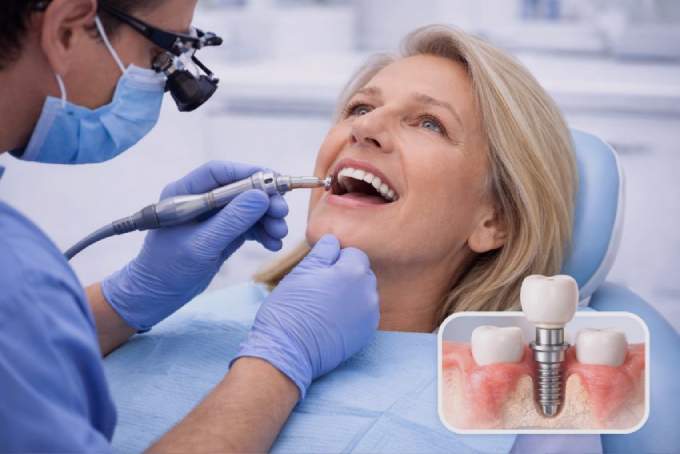
Why Replacing a Single Missing Tooth Is Important
Many patients believe that replacing one missing tooth is not urgent. However, even a single gap in your smile can lead to a chain reaction of dental problems over time.
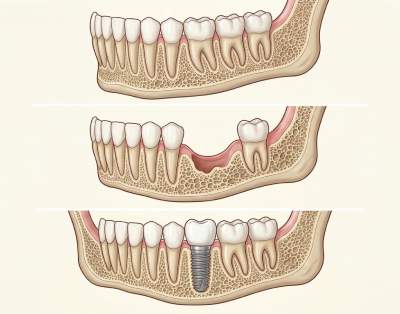
Bone Loss in the Jaw
When a tooth is lost, the underlying jawbone no longer receives stimulation from chewing forces. This lack of stimulation causes the bone to gradually shrink, a process known as bone resorption. Over time, this can lead to:
- reduced bone density
- changes in facial structure
- difficulty placing implants later
Replacing the tooth with an implant helps maintain bone health by restoring natural stimulation.
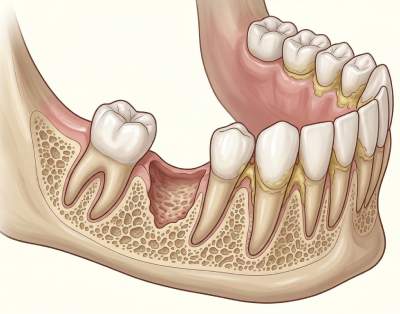
Shifting of Adjacent Teeth
Teeth are naturally aligned to support each other. When one tooth is missing, the surrounding teeth may begin to shift into the space. This can result in:
- misalignment
- uneven spacing
- difficulty maintaining oral hygiene
These changes can eventually lead to more complex orthodontic or restorative treatments.
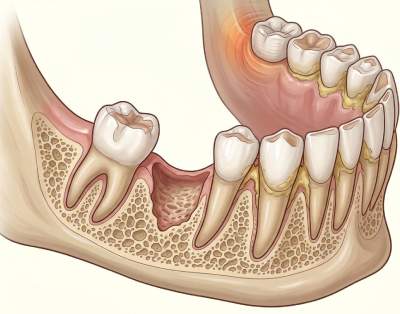
Bite and Chewing Problems
A missing tooth can disrupt the natural balance of your bite. This affects how chewing forces are distributed across your teeth, leading to uneven pressure on certain areas. Over time, this can result in:
- uneven wear on remaining teeth
- difficulty chewing certain foods
- jaw discomfort or strain
Restoring the missing tooth with an implant helps rebalance your bite and improve overall chewing function.
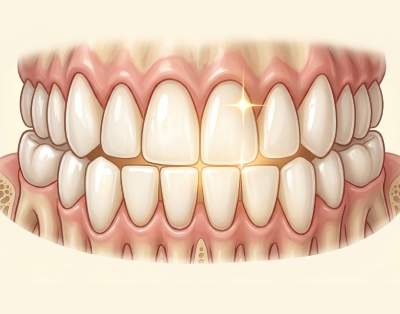
Impact on Appearance and Confidence
A missing tooth, especially in a visible area, can affect your smile and overall facial appearance. Even a small gap may make you feel self-conscious in daily interactions. This can lead to:
- Hesitation while smiling
- Reduced confidence in social situations
- Minor speech difficulties
Replacing the tooth with a natural-looking implant restores your smile and helps you feel confident again.
👉 Replacing a missing tooth early helps prevent long-term complications and maintains both oral health and confidence.
Who Is a Candidate for a Single Tooth Implant?
Most adults with a missing tooth can benefit from a dental implant, but a detailed evaluation is necessary to determine suitability. A professional consultation is essential to evaluate your condition and recommend the most suitable treatment plan.
Ideal Candidates:
- have one or more missing teeth
- have healthy gums free from active infection
- have sufficient bone density in the jaw
- maintain good oral hygiene habits
- are in overall good health
What If You Have Bone Loss?
Patients with reduced bone density are not automatically excluded from implant treatment. In such cases, additional procedures like bone grafting can help rebuild the jawbone and create a stable foundation for the implant.
Modern techniques and advanced planning allow successful implant placement even in more complex cases.
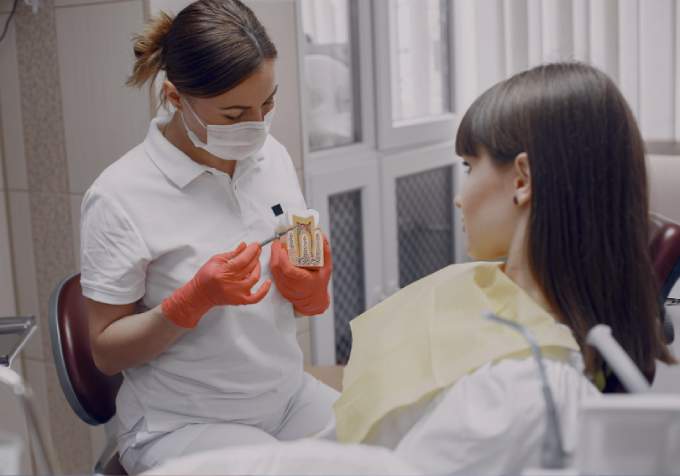
Single Tooth Implant vs Dental Bridge
When replacing a missing tooth, patients often choose between a dental implant and a bridge. Understanding the difference helps in making an informed decision.
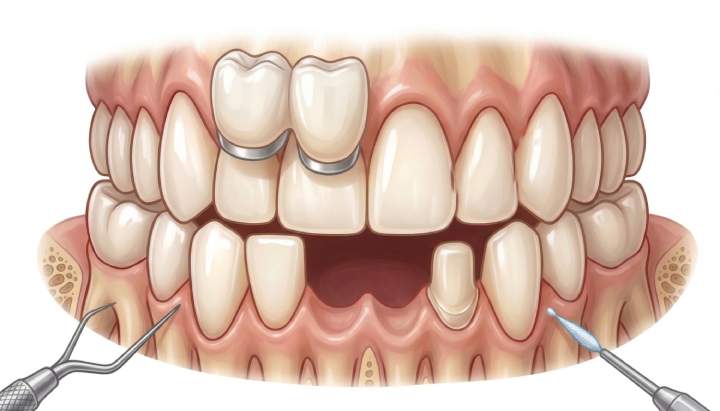
Dental Bridge
A dental bridge involves placing a prosthetic tooth supported by adjacent teeth.
While it can restore appearance, it has certain limitations:
- requires trimming healthy neighboring teeth
- does not prevent bone loss
- may need replacement after several years
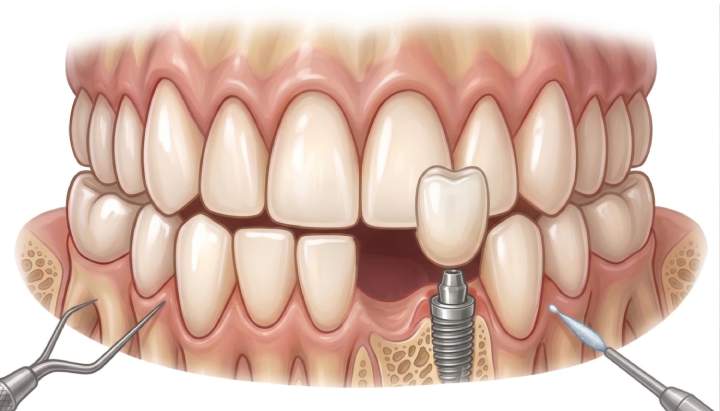
Dental Implant
A dental implant replaces the tooth independently without affecting the surrounding teeth.
Its advantages include:
- preservation of natural tooth structure
- prevention of bone loss
- superior durability
- improved function and aesthetics
👉 For long-term oral health and stability, dental implants are generally considered the better option.
Single Tooth Implant Procedure – Step-by-Step
Understanding the treatment process helps patients feel more confident and prepared.
Benefits of Single Tooth Implants
Single tooth implants offer several advantages that make them the preferred choice for tooth replacement.
They provide a natural appearance, as the crown is designed to blend seamlessly with surrounding teeth. Functionally, implants offer strong bite support, allowing patients to eat comfortably without restrictions.
One of the most important benefits is durability. With proper care, implants can last for decades, making them a long-term solution.
Additionally, implants help preserve jawbone structure and prevent bone loss, which is not possible with traditional bridges or dentures.
They also protect adjacent teeth by eliminating the need for support from neighboring structures.
👉 These combined benefits make dental implants the gold standard in modern dentistry.
The cost of a single tooth implant in Dubai varies depending on several factors. Since each case is unique, pricing is determined based on individual treatment requirements.
Factors influencing cost include:
- implant system and quality
- crown material used
- complexity of the procedure
- need for additional treatments such as bone grafting
- use of advanced diagnostic technology
👉 The cost of a dental implant depends on the overall treatment complexity and materials involved.
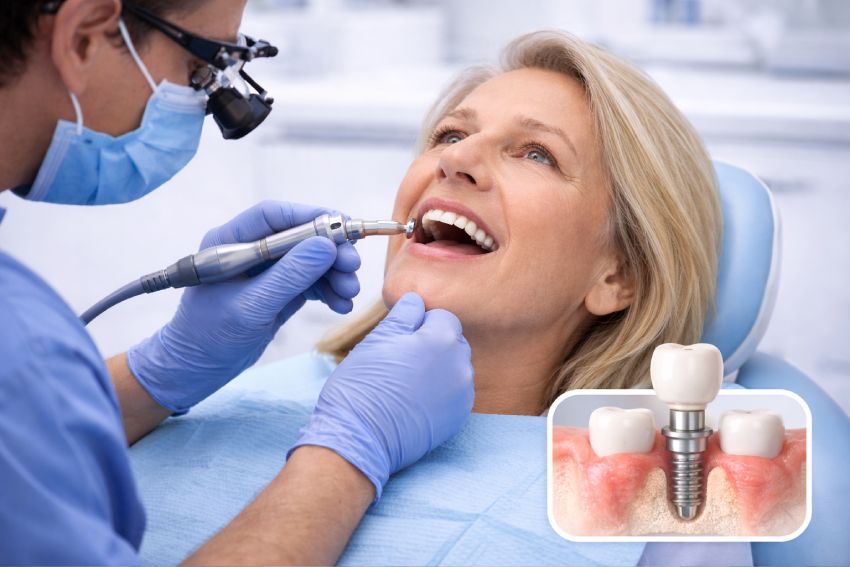
Recovery After Single Tooth Implant
Recovery after implant placement is generally smooth and well-tolerated for most patients, especially with modern minimally invasive techniques.
In the first few days, mild swelling, slight discomfort, or sensitivity around the treated area may occur. These symptoms are temporary and can be effectively managed with prescribed medication and basic care.
During the first week, patients are advised to follow a soft diet, avoid chewing directly on the implant site, and maintain good oral hygiene to support proper healing. Gentle cleaning around the area is important to prevent infection.
Over the next few months, the implant gradually integrates with the jawbone through a process called osseointegration. This phase is essential for creating a strong and stable foundation for the final tooth.
Once the final crown is placed, normal function is fully restored, allowing you to eat, speak, and smile comfortably with a natural feel.
Long-Term Care and Maintenance
Maintaining a dental implant is simple and very similar to caring for natural teeth, but consistency is key to ensuring long-term success.
Daily care includes brushing at least twice daily, flossing regularly, and maintaining the surrounding gums clean and healthy. Special tools like interdental brushes or water flossers can help clean hard-to-reach areas around the implant.
Regular dental checkups are essential for monitoring implant stability and detecting early signs of periodontal disease. Professional cleaning helps remove plaque buildup and maintain overall oral health.
It is also important to avoid habits such as smoking or excessive pressure on the implant, as these can affect long-term outcomes.
With proper daily care and routine dental visits, implants can last for decades and continue to function like natural teeth.
Risks and Success Rate
Dental implants have a high success rate of approximately 95–98%, making them among the safest and most predictable procedures in modern dentistry.
Although complications are rare, they may include minor infection, delayed healing, or, in uncommon cases, implant failure. These issues are typically manageable when detected early during follow-up visits.
Certain factors can influence success, including smoking, poor oral hygiene, and underlying medical conditions. That’s why proper evaluation and aftercare are important.
These risks can be significantly minimized by maintaining good oral hygiene, following post-treatment instructions, avoiding smoking during healing, and choosing an experienced implant specialist.
With appropriate care and planning, most patients achieve long-term success without complications.
Why Choose Bay Avenue Dental Centre for Single Tooth Implants
At Bay Avenue Dental Centre, we combine advanced technology with expert care to deliver reliable implant solutions.
We use modern tools such as 3D imaging and digital planning to ensure precise treatment. Our experienced dental team focuses on personalized care, tailoring each treatment plan to the patient’s needs.
From consultation to final restoration, all procedures are carried out under one roof, ensuring convenience and consistency.
👉 Our focus is on delivering natural, durable, and comfortable results.
FAQs on Single Tooth Implants in Dubai
A single tooth implant is designed to be a long-term solution and can last for decades with proper care. The titanium implant itself integrates with the jawbone and can often last a lifetime. However, the dental crown placed on top may need replacement after 10–15 years due to normal wear and tear. Regular dental checkups, good oral hygiene, and avoiding habits like smoking can significantly increase the lifespan of both the implant and the crown.
The single tooth implant procedure is performed under local anesthesia, which means you will not feel pain during the surgery. Most patients report only mild pressure or vibration during the procedure. After the treatment, slight discomfort, swelling, or sensitivity may occur for a few days, but this is manageable with prescribed medication. Compared to other dental procedures, many patients find implant placement to be less uncomfortable than expected.
The complete single tooth implant process usually takes around 3 to 4 months, depending on individual healing and bone integration. After the implant is placed, a healing phase called osseointegration occurs, during which the implant fuses with the jawbone. In some cases, if the bone condition is ideal, faster timelines or immediate temporary teeth may be possible. Your dentist will provide a personalized timeline based on your specific condition.
Immediately after the implant procedure, you will need to follow a soft diet for a few days to allow proper healing. Foods like soups, yogurt, and soft solids are recommended during this phase. Once the implant has fully healed and the final crown is placed, you can return to eating normally. In fact, dental implants restore full chewing ability, allowing you to eat most foods comfortably without restrictions.
In most cases, a dental implant is considered better than a bridge for replacing a single missing tooth. Unlike bridges, implants do not require cutting or altering adjacent healthy teeth. They also help preserve jawbone structure by providing natural stimulation, which bridges cannot do. Additionally, implants tend to last longer and offer better stability and comfort. While the initial cost may be higher, implants are often more beneficial in the long term.
A single tooth implant is designed to be a long-term solution and can last for decades with proper care. The titanium implant integrates with the jawbone, making it very stable and durable. However, the crown placed on top may require replacement after several years due to normal wear. Maintaining good oral hygiene and attending regular dental checkups significantly increases the lifespan of the implant.
The procedure is performed under local anesthesia, so patients typically do not feel pain during the treatment. After the procedure, mild discomfort or swelling may occur; these are transient and manageable with medication. Most patients describe the experience as less uncomfortable than expected and can return to normal activities quickly.
The complete process typically takes 3-4 months, depending on the implant’s healing and integration with the bone. In some cases, additional procedures such as bone grafting may extend the timeline. Your dentist will provide a personalized treatment plan with a clear timeline based on your specific condition.
Book Your Single Tooth Implant Consultation in Dubai
If you are considering a single tooth implant in Dubai, the first step is a professional consultation. At Bay Avenue Dental Centre, we provide detailed evaluations, advanced diagnostics, and personalized treatment plans to ensure the best outcomes.
Book your consultation today and take the first step toward restoring your smile with a long-lasting, natural solution.
25+
Years of experience
1000+
Improved Smiles
6+
Specialists Dentist