
How Long Do Dental Implants Last? Lifespan, Success Rate & Maintenance
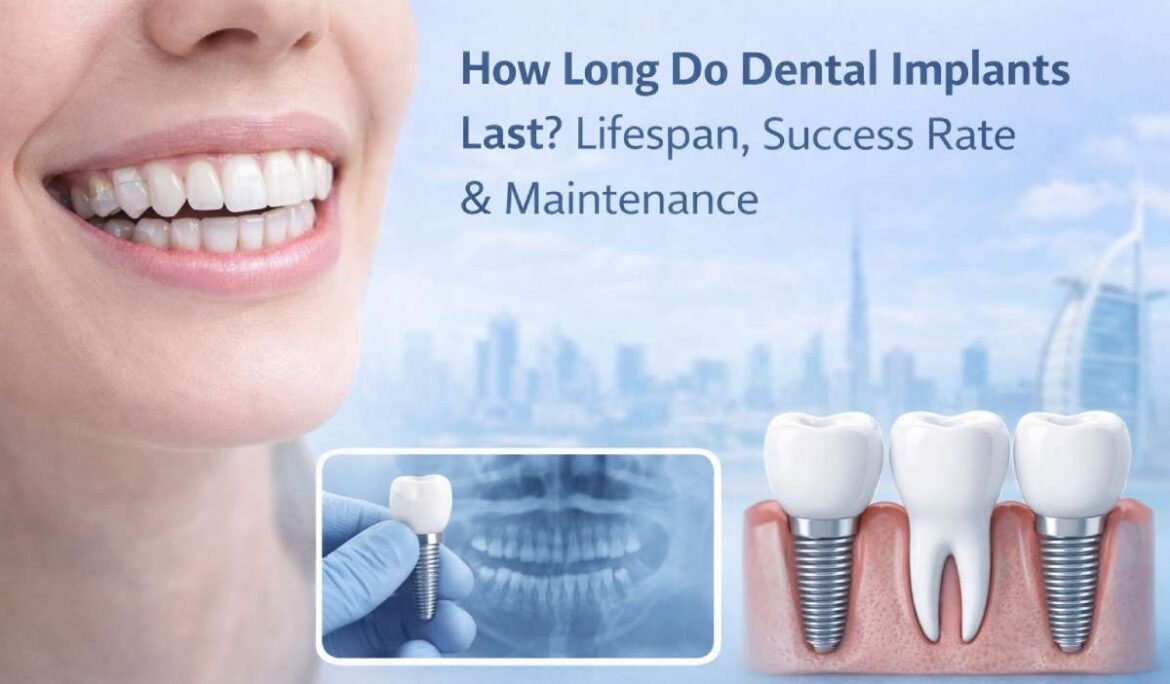
Dental implants are widely considered one of the most reliable solutions for replacing missing teeth. Many patients researching implants ask the same question:
How long do dental implants last?
Clinical studies show that dental implants have a success rate of around 95–98% when placed and maintained properly. Because of this high success rate, implants are often recommended as a long-term solution for missing teeth.
Dental implants are designed to function like natural tooth roots. A titanium post is placed in the jawbone, where it integrates with the bone through a biological process called osseointegration. Once healing is complete, an abutment and dental crown are attached to restore the appearance and function of the missing tooth.
With proper care, many dental implants can last 20 years or longer, and in many cases, they last a lifetime.
Understanding the dental implant lifespan, the factors that influence longevity, and proper maintenance can help patients protect their investment in long-term oral health. Patients often ask how long do tooth implants last with proper care.
Average Dental Implant Lifespan
Dental implants are designed to be durable and long-lasting. Research shows that implants can remain stable for two decades or more when placed correctly and maintained with good oral hygiene. The lifespan of a dental implant depends on two main components:
The Implant Fixture
The titanium implant post placed in the jawbone is extremely durable. Because titanium is biocompatible, the body accepts it well, allowing the bone to fuse with the implant.
This part of the implant often lasts many decades or even a lifetime.
The Dental Crown
The crown attached to the implant may need replacement over time due to normal wear.
Most implant crowns last around 10–15 years, depending on:
- chewing forces
- oral hygiene habits
- material used for the crown
Replacing a crown is usually simpler than replacing the implant itself. Understanding how long dental implants last helps set realistic expectations.
Dental Implant Success Rate
Dental implants have one of the highest success rates among dental treatments. Clinical studies consistently report success rates of 95%-98%.
This means that the vast majority of implants integrate successfully with the jawbone and remain stable for many years.
Several factors contribute to this high success rate:
- precise implant placement
- healthy bone structure
- proper healing after surgery
- consistent oral hygiene
Modern dental technology, including 3D CBCT scans and digital treatment planning, has also improved implant accuracy and predictability.
These advancements allow dentists to plan implant placement carefully and reduce potential complications. Many patients ask how long do teeth implants last after successful placement.
How Dental Implants Work
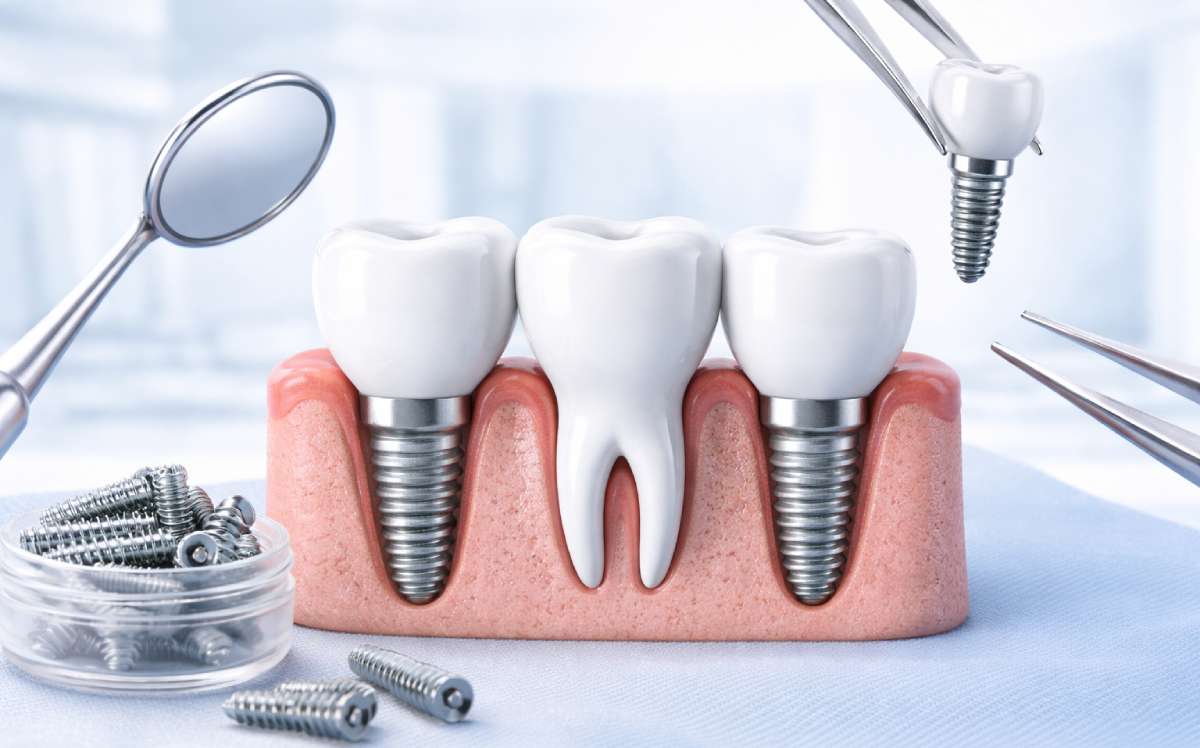
Understanding how implants function helps explain why they last so long. A dental implant system typically includes three main components:
Titanium Implant Post
The titanium post is placed into the jawbone during implant surgery. This post acts as an artificial tooth root. Titanium is used because it integrates naturally with bone tissue.
Abutment Connector
After healing, an abutment is attached to the implant. This small connector links the implant to the final dental crown.
Dental Crown
The crown is the visible part of the implant restoration. It is custom-designed to match the shape and color of surrounding teeth.
Together, these components create a stable replacement tooth that functions similarly to a natural tooth. This explains clearly how long do tooth implants last over time.
Factors That Affect Dental Implant Longevity
Although dental implants are designed to last many years, several factors influence how long they remain successful.
Oral Hygiene
Maintaining good oral hygiene is essential for implant longevity. Regular brushing, flossing, and professional cleanings help prevent infection around the implant.
Bone Health
Strong jawbone support is necessary for successful implant integration. Patients with adequate bone density typically achieve better long-term outcomes.
Gum Health
Healthy gums protect the implant from infection. Untreated gum disease can affect the tissues surrounding the implant.
Lifestyle Habits
Habits such as smoking can interfere with healing and reduce dental implant success rates. Smoking may slow bone healing and increase the risk of implant complications.
Bite Pressure
Excessive bite pressure or teeth grinding can affect implant restorations. In some cases, dentists may recommend a night guard to protect implants from grinding forces. This explains clearly how long do tooth implants last over time.
Dental Implant Lifespan vs Other Tooth Replacement Options
Dental implants often last longer than other tooth-replacement options.
Here is a simple comparison:
| Tooth Replacement | Average Lifespan |
| Dental Implants | 20+ years |
| Dental Bridges | 10–15 years |
| Dentures | 5–10 years |
Because implants replace both the tooth root and crown, they provide greater stability and help preserve the jawbone. This makes implants among the most durable tooth-replacement options available.
Why Do Dental Implants Fail?
Although dental implants have a very high success rate, failures can still occur in certain situations. Understanding the possible causes of implant complications helps patients reduce risks and maintain long-term implant stability.
Implant failure can occur either early during healing or later after the implant has been functioning for some time.
Peri-Implantitis (Gum Infection Around Implants)
One of the most common causes of implant failure is peri-implantitis, a condition similar to gum disease that affects the tissues around the implant.
Peri-implantitis can cause:
- inflammation of the gums
- bone loss around the implant
- loosening of the implant
Poor oral hygiene is often the main contributing factor. Regular dental visits and proper cleaning help prevent this condition.
Smoking
Smoking can significantly affect the healing process after implant placement. Nicotine reduces blood flow to the gums and bone, which can slow down healing and increase the risk of implant complications.
Patients who smoke may still receive implants, but dentists often recommend reducing or stopping smoking during the healing period.
Insufficient Bone Density
Dental implants require strong bone support in the jaw. If the jawbone is too thin or weak, the implant may not integrate properly.
In such cases, dentists may recommend procedures such as bone grafting before implant placement. Bone grafting helps rebuild the jawbone and create a stable foundation for the implant.
Poor Implant Placement
Accurate implant placement is critical for long-term success. Modern dental clinics use 3D imaging and digital implant planning to ensure precise positioning of the implant within the bone.
Proper planning helps avoid important anatomical structures and ensures optimal stability.
Excessive Bite Pressure
Teeth grinding or clenching, known as bruxism, can place excessive pressure on dental implants.
Over time, this pressure may damage the crown or affect the surrounding bone. Dentists may recommend a custom night guard for patients who grind their teeth. Understanding failures helps explain how long do teeth implants last long-term.
Signs of Dental Implant Problems
Dental implants are designed to function like natural teeth, so most patients experience normal chewing and speaking after healing. However, certain symptoms may indicate potential implant issues.
Patients should contact their dentist if they notice:
- persistent pain around the implant
- swelling or redness in the gums
- bleeding while brushing near the implant
- movement or looseness of the implant
- difficulty chewing
Early detection allows dentists to treat problems before they become more serious.
How to Make Dental Implants Last Longer
Proper care is essential for maximizing the lifespan of dental implants. Here are several important maintenance tips that help protect implant health.
Maintain Excellent Oral Hygiene
Dental implants require the same level of care as natural teeth. Patients should brush twice daily and floss regularly to remove plaque and bacteria around the implant. Using interdental brushes or water flossers can help clean difficult areas.
Schedule Regular Dental Checkups
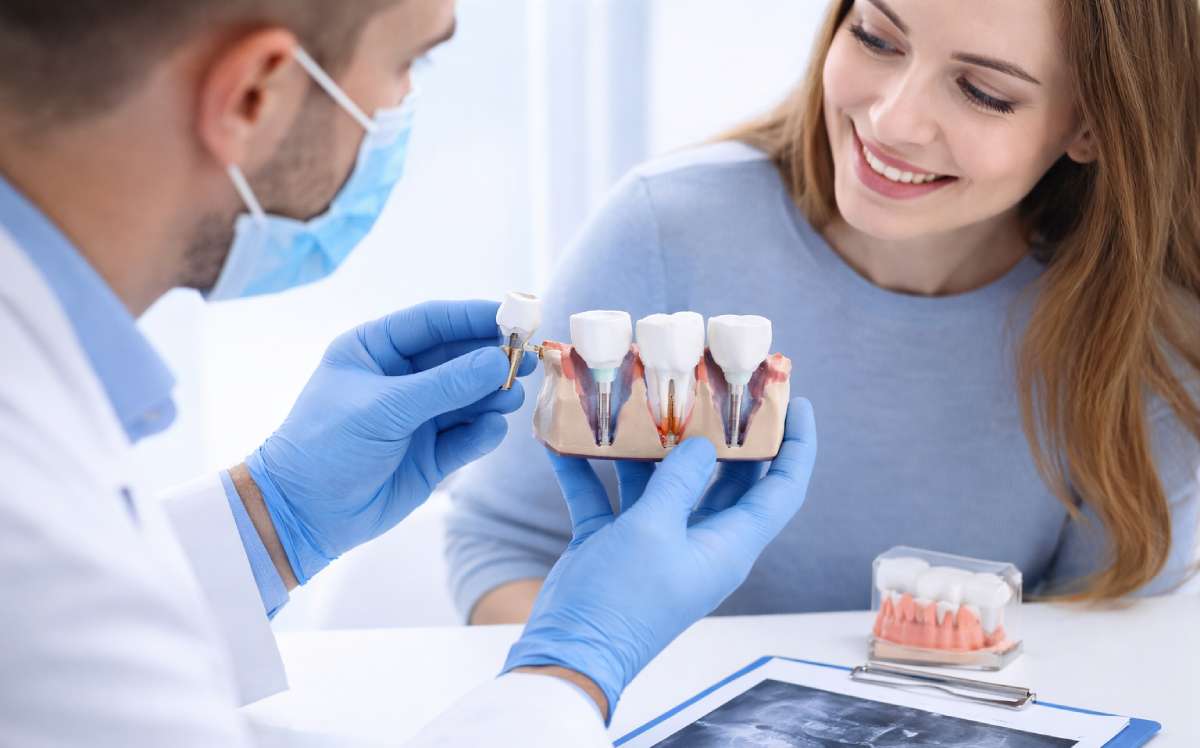
Routine dental visits allow dentists to monitor implant health and detect early signs of complications. Professional cleanings help remove plaque and tartar that brushing alone cannot remove. Most dentists recommend check-ups every six months.
Avoid Smoking
Smoking is one of the most significant risk factors for implant failure. Reducing or quitting smoking improves healing and helps maintain healthy gum tissue around the implant.
Protect Your Teeth From Grinding
Patients who grind their teeth should consider using a night guard. A protective mouth guard helps reduce excessive pressure on implants and natural teeth.
Maintain Healthy Lifestyle Habits
A balanced diet and good overall health support strong bones and gums. Conditions such as uncontrolled diabetes can affect healing and should be managed carefully.
Dental Implant Lifespan: What Patients Should Expect
Many patients are surprised to learn how long dental implants can last. When placed correctly and maintained with good oral hygiene, implants often remain stable for 20 years or longer.
The implant post itself may last a lifetime, while the crown attached to the implant may require replacement after several years of normal wear.
Because implants integrate with the jawbone, they provide long-term stability that many other tooth replacement options cannot match.
Frequently Asked Questions
How long do dental implants last?
Dental implants can last 20 years or more when placed correctly and maintained with proper oral hygiene and regular dental visits.
What is the success rate of dental implants?
Dental implants have a success rate of approximately 95–98%, making them one of the most predictable dental procedures available.
Can dental implants fail after many years?
Although uncommon, implants can fail due to gum disease, bone loss, or excessive bite pressure. Regular dental checkups help detect issues early.
Do dental implants require special care?
Dental implants require regular brushing, flossing, and professional dental cleanings to maintain healthy gums and surrounding tissues.
Can dental implants last a lifetime?
In many cases, the implant post itself can last a lifetime if proper oral hygiene and dental care are maintained.
Final Thoughts
Dental implants are one of the most reliable and durable solutions for replacing missing teeth. Understanding the dental implant lifespan, how long do dental implants last, the dental implant success rate, and maintenance requirements helps patients make informed decisions about their treatment.
With proper care, implants can provide long-term stability, natural appearance, and improved chewing function.
Book a Consultation at Bay Avenue Dental Centre
If you are considering dental implants or want to learn more about implant treatment options, a professional consultation can help determine the best solution for your needs.
At Bay Avenue Dental Centre in Business Bay, our experienced dental team provides advanced implant consultations, diagnostic imaging, and personalized treatment planning.
Contact our clinic today to schedule your consultation and take the first step toward restoring your smile with long-lasting dental implants.