
Root Canal Specialist in Dubai: When You Need One & What to Expect

Introduction: Why Choosing the Right Specialist Matters
Tooth pain is often one of the most intense and uncomfortable experiences a patient can go through. While some dental issues can be treated with simple fillings or basic procedures, deeper infections inside the tooth require specialized care.
This is where a root canal specialist in Dubai becomes essential. Many patients initially visit a general dentist, but when the infection reaches the pulp or becomes complex, referral to a specialist ensures better outcomes.
In a city like Dubai, where advanced dental care is widely available, choosing the right expert can significantly impact both the success of the treatment and the long-term health of your tooth.
A root canal specialist in Dubai focuses on diagnosing and treating infections inside the tooth to save natural teeth whenever possible.
Understanding when to see a specialist and what to expect from treatment helps you make informed decisions and avoid unnecessary tooth loss.
What a Root Canal Specialist Does
A root canal specialist, also known as an endodontist, is a dental professional who specializes in diagnosing and treating problems related to the inner part of the tooth, known as the pulp.
While general dentists can perform basic root canal treatments, endodontists handle more complex and advanced cases that require precision and specialized techniques.
Difference Between a General Dentist and an Endodontist
A general dentist focuses on overall oral health, including cleanings, fillings, and preventive care. They are trained to perform routine root canals but may refer complicated cases to a specialist.
An endodontist, on the other hand:
- has advanced training in root canal procedures
- uses specialized equipment and techniques
- handles complex infections and retreatments
- focuses on saving natural teeth
This specialization allows them to treat cases with higher accuracy and success rates. Choosing a specialist ensures that even complex dental infections are managed effectively. An experienced dentist for root canal treatment improves precision, comfort, and long-term treatment success.
Cases That Require a Root Canal Specialist in Dubai
Not every root canal procedure requires a specialist, especially when the infection is mild and straightforward. However, certain dental conditions are more complex and require the expertise of a root canal specialist (endodontist) to ensure precise treatment and long-term success.
In these cases, the infection may involve deeper structures, irregular canal anatomy, or previous treatment failures. Attempting such treatments without specialized skills and equipment can increase the risk of complications or reinfection.
Severe Tooth Infection
When an infection spreads deep into the pulp and surrounding tissues, it can lead to intense pain, swelling, and even abscess formation. At this stage, bacteria may have reached multiple root canals and surrounding bone structures.
A specialist uses advanced techniques to:
- Thoroughly disinfect all infected canals
- remove bacteria from hard-to-reach areas
- Seal the tooth to prevent reinfection
Proper management of severe infections is critical to avoid complications such as bone loss or spreading infection.
Retreatment of Failed Root Canal
In some cases, a previously treated tooth may become reinfected due to incomplete cleaning, missed canals, or breakdown of the seal over time. These situations require retreatment, which is more complex than the initial procedure.
The specialist must:
- remove old filling material
- locate hidden or untreated canals
- eliminate persistent infection
- Reseal the tooth effectively
Retreatment requires high precision and is best handled by an experienced endodontist.
Complex Root Anatomy
Some teeth, especially molars, have multiple canals that can be curved, narrow, or unusually shaped. These anatomical variations make it difficult to clean and treat the canals using standard techniques.
Root canal specialists are trained to:
- navigate curved or calcified canals
- Identify additional hidden canals
- ensure complete disinfection
Advanced expertise ensures that even the most complex cases are treated successfully.
Dental Trauma or Injury
Teeth that have been cracked, fractured, or injured due to trauma often develop pulp damage. In some cases, the damage may not be immediately visible but can lead to infection over time.
Specialists assess:
- internal damage to the tooth
- vitality of the pulp
- need for immediate or delayed treatment
Early specialist intervention can help save teeth that might otherwise require extraction. These complex cases highlight why choosing a root canal specialist in Dubai is essential for achieving predictable and long-lasting results.
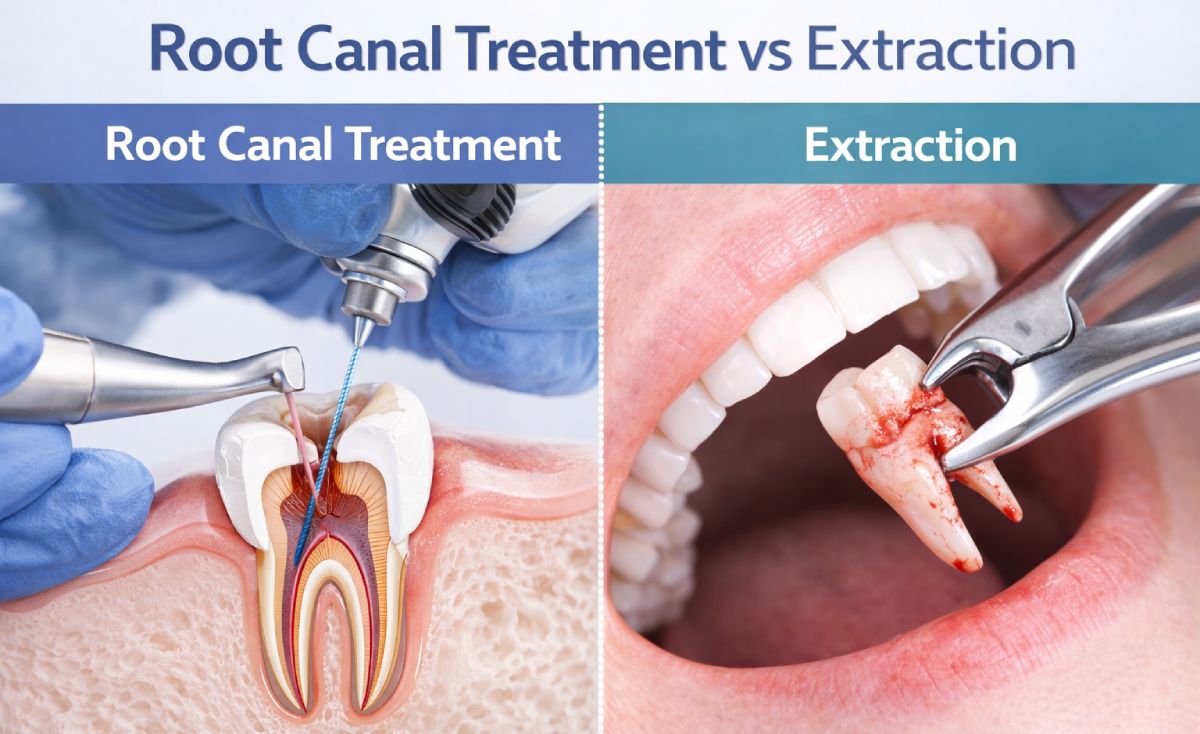
Root Canal Treatment vs Extraction
When faced with a severely damaged or infected tooth, patients often have to choose between saving the tooth with a root canal or removing it entirely. This decision can significantly impact long-term oral health, function, and cost.
Understanding the differences between these two options helps patients make an informed and confident choice.
Root Canal Treatment
A dentist for root canal treatment focuses on preserving the natural tooth by removing the infected pulp and sealing the internal structure. The outer structure of the tooth remains intact and is usually reinforced with a crown.
One of the biggest advantages of this approach is that it maintains the natural alignment of teeth and prevents disruption to the bite.
Key Benefits Include:
- preservation of the natural tooth structure
- Maintenance of proper bite alignment
- better chewing efficiency and comfort
- long-term durability with proper care
In addition, preserving the natural tooth helps avoid additional procedures that may be required after extraction.
Tooth Extraction
Extraction involves completely removing the damaged tooth. While it may seem like a quick solution, it often leads to additional complications if the missing tooth is not replaced.
After extraction, patients may need:
- dental implants
- bridges
- removable dentures
Drawbacks of Extraction
- gradual bone loss in the jaw
- shifting of adjacent teeth into the space
- changes in bite alignment
- Higher long-term costs due to replacement treatments
While extraction may be necessary in some cases, saving the natural tooth through root canal treatment is generally the preferred and more conservative option.
Preserving natural teeth supports long-term oral health and reduces the need for complex restorative procedures. Patients searching for root canal treatment near me often prioritize preserving healthy natural tooth structure.
Technology Used by Root Canal Specialists
Modern root canal treatment has evolved significantly with the introduction of advanced dental technology. These innovations allow specialists to perform procedures with greater accuracy, efficiency, and patient comfort.
Technology plays a crucial role not only in treatment but also in diagnosis, helping detect issues that may not be visible through traditional methods.
Digital X-Rays
Digital X-rays provide high-resolution images of the tooth and surrounding structures, allowing early detection of infection and accurate assessment of root canal anatomy.
They also:
- reduce radiation exposure
- provide instant results
- improve treatment planning
Dental Microscopes
Microscopes are one of the most important tools used by root canal specialists. They offer magnification and illumination, enabling the dentist to see intricate details inside the tooth.
This helps in:
- locating hidden canals
- removing infected tissue precisely
- ensuring complete cleaning
Microscopic precision significantly improves treatment success rates.
Rotary Endodontic Instruments
Rotary instruments are advanced tools used to clean and shape root canals more efficiently than traditional hand files.
They provide:
- faster treatment time
- more consistent results
- reduced risk of procedural errors
3D Imaging (CBCT Scans)
Cone Beam Computed Tomography (CBCT) provides a three-dimensional view of the tooth, root structure, and surrounding bone.
This is especially useful in:
- complex cases
- retreatment planning
- detecting hidden infections
These technologies allow for more predictable outcomes and a more comfortable patient experience. Advanced technology is one of the key factors that differentiates a specialist from a general practitioner. Advanced technology improves accuracy for patients searching for root canal treatment near me services.
Root Canal Cost in UAE Explained
The cost of a root canal specialist in the UAE can vary significantly depending on several clinical and technical factors. Since no two cases are identical, pricing is usually determined after a detailed examination and diagnosis.
Understanding the cost structure helps patients plan treatment better and avoid unexpected expenses.
Factors Affecting Cost
Several factors influence the overall cost of treatment:
- type of tooth (front teeth vs molars, with molars being more complex)
- severity and extent of infection
- need for retreatment or additional procedures
- use of advanced technology such as CBCT or microscopes
- experience and specialization of the dentist
Each of these factors contributes to the complexity of the procedure and the time required.
Simple vs Complex Cases
Root canal treatments are generally categorized based on difficulty level:
Simple cases:
- minimal infection
- straightforward canal structure
- usually completed in one visit
Complex cases:
- severe infection or abscess
- multiple or curved canals
- may require multiple visits and advanced techniques
Long-Term Value vs Cost
While some patients focus only on the initial cost, it is important to consider long-term value. A properly performed root canal by a specialist can save the tooth for many years, reducing the need for future treatments.
Investing in specialist care often leads to better outcomes and fewer complications. The cost of root canal treatment in Dubai depends on the complexity of the case, the technology used, and the expertise of the specialist.
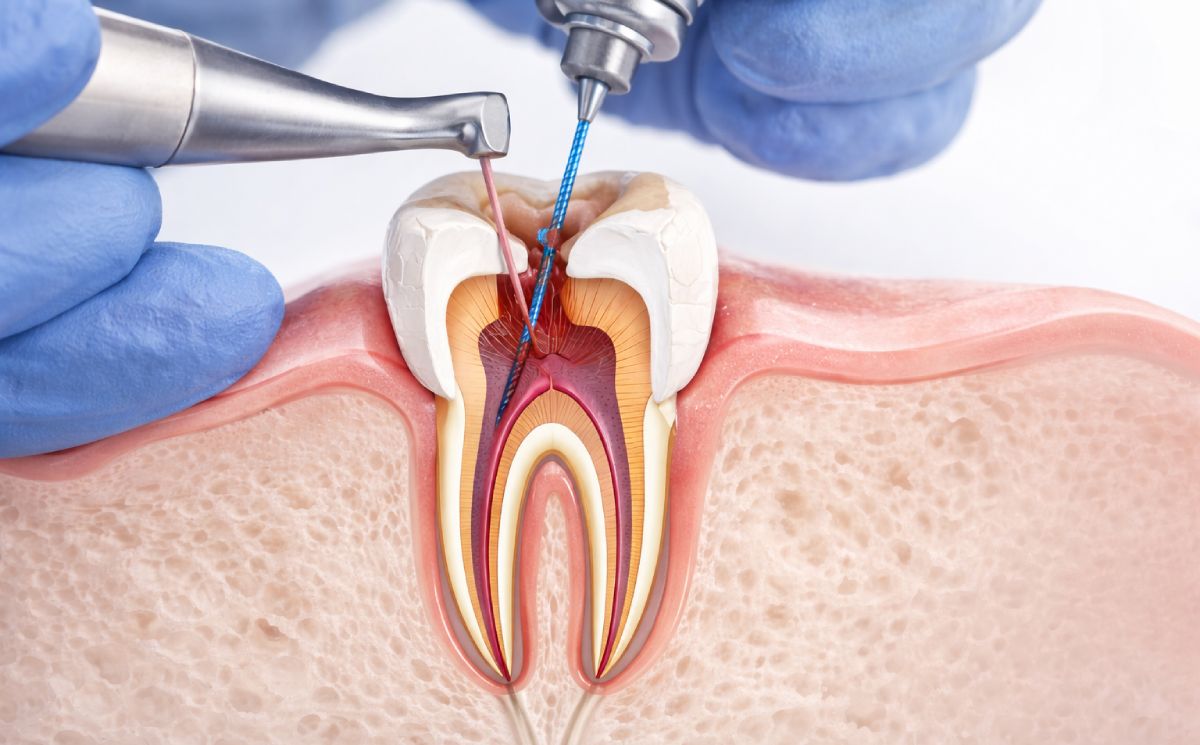
How to Find the Best Root Canal Specialist Near Me
Choosing the right root canal specialist is one of the most important decisions for ensuring successful treatment and long-term tooth preservation. Since root canal procedures involve delicate work inside the tooth, the expertise of the specialist directly impacts the outcome.
Many patients search for “best root canal specialist near me,” but often choose based only on location. However, factors such as experience, technology, and treatment approach play a much bigger role in determining success.
Check Experience and Qualifications
A highly qualified endodontist has additional years of specialized training focused on root canal procedures and internal tooth anatomy. This training allows them to handle complex cases that general dentists may not be equipped to manage.
When evaluating a specialist, consider:
- years of clinical experience
- number of root canal cases handled
- specialization in endodontics
- continuous training in advanced techniques
An experienced specialist significantly increases the chances of saving the tooth and preventing complications.
Read Patient Reviews and Testimonials
Patient feedback provides real insight into the quality of care, treatment success, and overall patient experience. Reviews often highlight aspects such as pain management, communication, and clinic environment.
Look for:
- consistent positive reviews
- mentions of painless treatment
- successful outcomes in complex cases
- patient satisfaction with results
Reviews help you understand what to expect beyond clinical qualifications.
Technology and Clinic Setup
Modern root canal treatment relies heavily on advanced technology for precision and accuracy. Clinics equipped with the latest tools can diagnose and treat infections more effectively.
Important technologies include:
- digital X-rays for accurate diagnosis
- dental microscopes for precision
- rotary instruments for efficient treatment
- CBCT scans for complex cases
Advanced technology not only improves success rates but also makes the procedure more comfortable and faster.
Consultation Approach and Transparency
A good root canal specialist in the UAE will take time to explain your condition, treatment options, and expected outcomes in a clear and understandable way. Transparency builds trust and helps patients feel more confident.
During consultation, observe:
- clarity of explanation
- willingness to answer questions
- personalized treatment planning
- discussion of risks and alternatives
A patient-focused approach is a strong indicator of quality care. Selecting the right specialist ensures not only successful treatment but also long-term protection of your natural tooth.
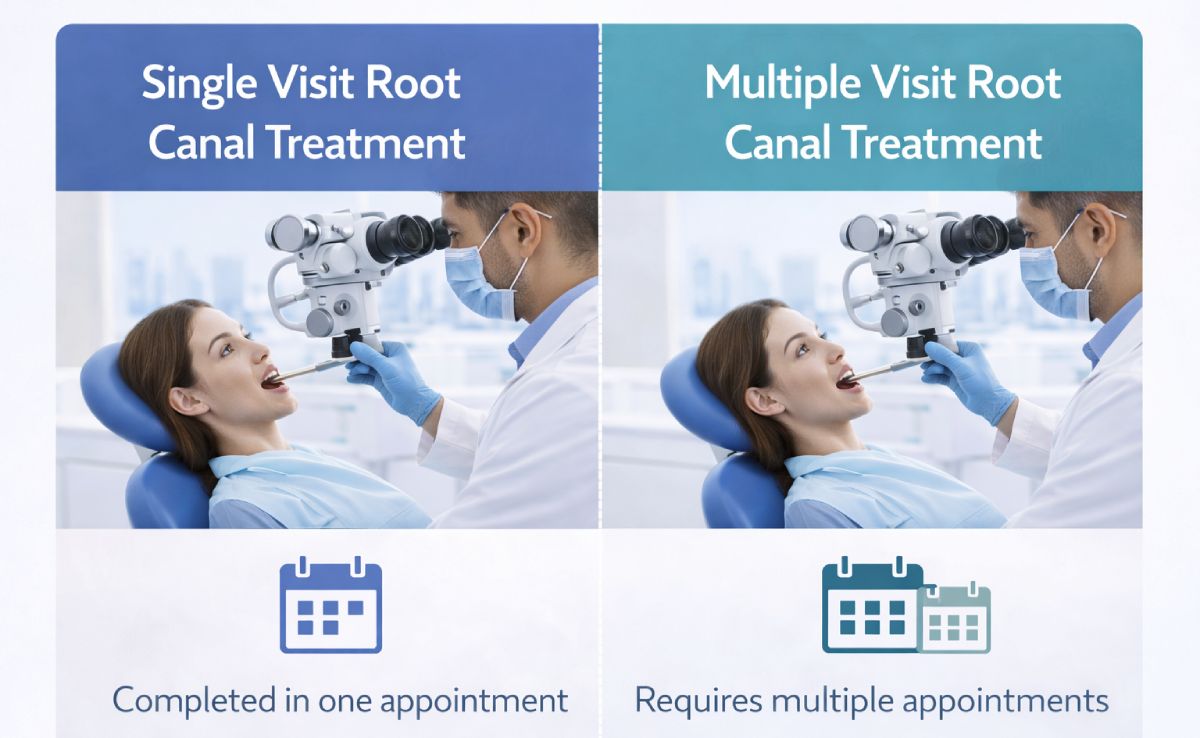
How Long Does Root Canal Treatment Take
The duration of root canal treatment varies depending on the complexity of the infection, the type of tooth involved, and the patient’s overall oral health. While many patients expect a quick procedure, the actual timeline is determined by how thoroughly the infection needs to be treated.
Understanding the treatment timeline helps set realistic expectations and reduces anxiety.
Single Visit Root Canal Treatment in Dubai
In simple cases where the infection is limited and the tooth structure is straightforward, root canal treatment can often be completed in a single visit.
This is typically possible when:
- The infection is detected early
- The tooth has fewer canals (front teeth)
- There is minimal inflammation
Single-visit treatments are convenient and effective, especially with modern technology.
Multiple Visit Root Canal Treatment in Dubai
More complex cases require multiple visits to ensure complete removal of the infection and proper healing between sessions.
This is common when:
- Infection is severe or widespread
- The tooth has multiple or curved canals (molars)
- There is swelling or an abscess present
- Retreatment is required
In such cases, medication may be placed inside the tooth between visits to eliminate bacteria.
Factors That Affect Treatment Duration
Several clinical factors influence how long the procedure takes:
- severity and depth of infection
- number and shape of root canals
- patient’s healing response
- presence of previous dental work
Your specialist will determine the safest and most effective treatment timeline based on your condition. While single-visit treatments are possible, prioritizing thorough cleaning and long-term success is always more important than speed.
Aftercare and Long-Term Tooth Protection
Proper aftercare is essential to ensure the success of root canal treatment and protect the treated tooth from future damage. While the infection is removed during treatment, the tooth still requires protection and maintenance to remain functional over time.
Many treatment failures occur not because of the procedure itself, but due to inadequate aftercare.
Placement of Dental Crown
After a root canal, the tooth becomes more fragile because the internal pulp has been removed. To strengthen and protect the tooth, a dental crown is usually recommended.
A crown helps:
- prevent tooth fracture
- restore chewing function
- improve durability
- protect against reinfection
In most cases, placing a crown significantly increases the lifespan of the treated tooth.
Maintaining Proper Oral Hygiene
Good oral hygiene is critical to prevent new infections around the treated tooth.
Patients should:
- Brush twice daily using proper technique
- Floss regularly to remove plaque between teeth
- Use antibacterial mouthwash if recommended
Maintaining clean gums and surrounding teeth reduces the risk of future complications.
Regular Dental Checkups and Monitoring
Routine dental visits allow the dentist to monitor the treated tooth and detect any potential issues early.
During checkups:
- The tooth is evaluated for stability
- Surrounding gums are examined
- X-rays may be taken to assess healing
Regular monitoring ensures long-term success and helps avoid retreatment. With proper care, a root canal-treated tooth can function like a natural tooth for many years or even decades.
Final Thoughts: Saving Your Natural Teeth Matters
Root canal treatment is one of the most effective ways to save a damaged or infected tooth. With modern technology and specialist care, the procedure is more comfortable and successful than ever before.
Choosing a root canal specialist in Dubai ensures that even complex cases are handled with precision and expertise. Preserving your natural teeth should always be the priority for long-term oral health.
FAQs
When should I see a root canal specialist in Dubai?
You should see a root canal specialist when you experience severe tooth pain, prolonged sensitivity to hot or cold, swelling around the gums, or signs of deep infection. Additionally, if a previous root canal treatment has failed or the tooth has complex anatomy, a specialist is the best option. Early consultation can prevent complications and increase the chances of saving the tooth.
Is root canal treatment painful?
Modern root canal treatment is designed to be as comfortable as possible. With the use of local anesthesia and advanced techniques, most patients experience little to no pain during the procedure. In fact, root canal treatment relieves the pain caused by infection. Some mild discomfort may occur after the procedure, but it is temporary and manageable.
How long does a root canal-treated tooth last?
With proper care, a root canal-treated tooth can last for many years or even decades. The longevity depends on factors such as oral hygiene, placement of a protective crown, and regular dental checkups. Well-maintained teeth can function just like natural teeth.
Can I avoid tooth extraction with a root canal?
Yes, root canal treatment is specifically designed to save the natural tooth by removing infection and preserving its structure. In most cases, it is a better option than extraction because it maintains natural alignment and prevents additional treatments like implants or bridges.
Do I always need a crown after a root canal?
In most cases, especially for back teeth (molars), a crown is highly recommended after a root canal. This is because treated teeth become more brittle and prone to fracture. A crown provides strength, protection, and long-term durability.
What happens if I delay root canal treatment?
Delaying treatment can allow the infection to spread further, leading to increased pain, swelling, and potential damage to surrounding bone. In severe cases, the tooth may become unsalvageable and require extraction. Early treatment prevents complications and improves outcomes.
How do I know if my root canal has failed?
Signs of failure may include recurring pain, swelling, sensitivity, or infection near the treated tooth. In such cases, retreatment or specialized care may be required. Regular checkups help detect issues early.