Gum Recession Treatment in Dubai: When You Need Gum Grafting
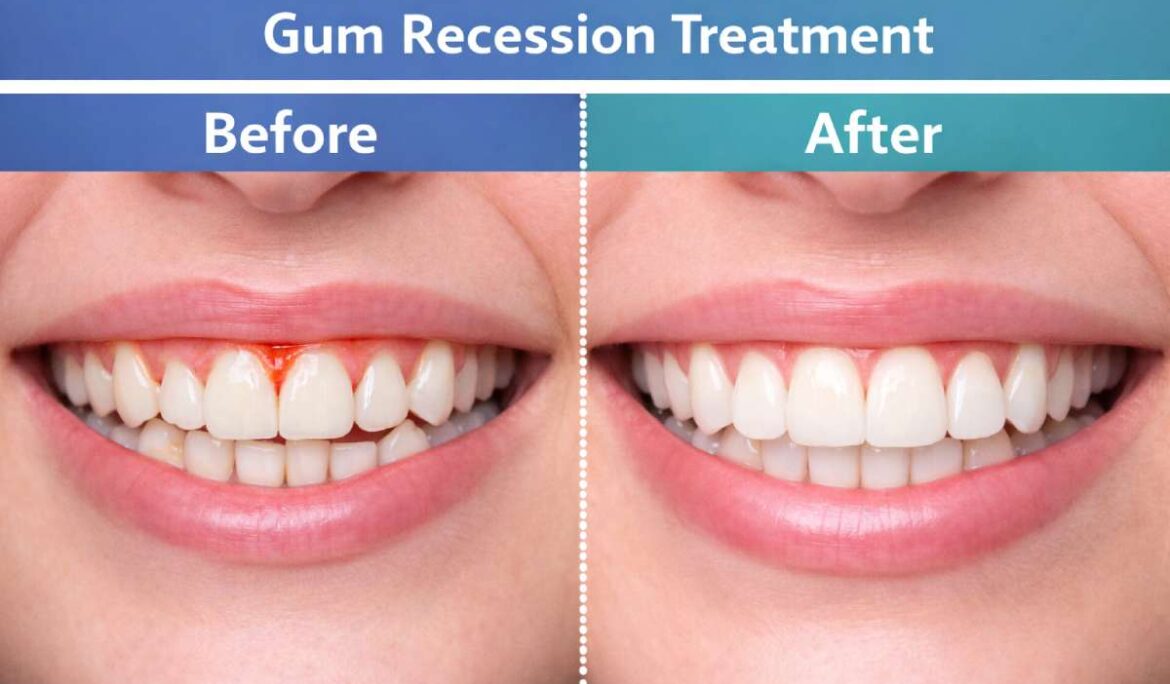
Gums protect the roots of your teeth. They form a natural seal around each tooth and help keep bacteria away from deeper tissues. When gums begin to pull away from the teeth, the roots can become exposed. This condition is known as gum recession.
Many people first notice it when their teeth appear longer than before or when they experience sensitivity when drinking cold beverages. Gum recession does not usually happen overnight. It develops gradually and can worsen if the underlying cause is not addressed.
For patients experiencing these symptoms, seeking gum recession treatment in Dubai can help protect the teeth and restore healthy gum coverage. Early treatment is important because exposed tooth roots are more vulnerable to decay, wear, and sensitivity.
In some cases, non-surgical care can control the problem. In more advanced situations, gum grafting in Dubai may be recommended to rebuild the lost gum tissue.
A consultation with a gum specialist in Dubai helps determine the cause of recession and the most appropriate treatment plan.
What Is Gum Recession?
Gum recession occurs when the gum tissue surrounding the teeth moves downward or pulls away from the tooth surface. Normally, the gum line sits snugly around each tooth and covers the root. When a recession develops, the root surface becomes exposed.
This exposure can lead to several problems.
First, the tooth root is softer than enamel, which makes it more sensitive to temperature and brushing.
Second, exposed roots are more vulnerable to decay because they do not have the same protective enamel layer as the crown of the tooth.
Third, gum recession can gradually affect tooth stability if supporting tissues continue to deteriorate.
Many patients seeking gum recession treatment in Dubai are surprised to learn that this condition often progresses quietly. Because the process is slow, people may not notice the change until symptoms such as sensitivity or visible gum changes appear.
Early evaluation by a gum specialist in Dubai helps identify the stage of recession and prevents further tissue loss.
Common Causes of Gum Recession
Gum recession can develop for several reasons. Often, multiple factors contribute to the condition. Understanding the cause is important because treatment should address both the symptoms and the underlying problem.
One of the most common causes is excessive toothbrushing. Brushing with excessive force or using a hard-bristle toothbrush can gradually wear away gum tissue.
Another major factor is gum disease. Infections caused by plaque buildup can damage the supporting tissues around the teeth. Over time, this leads to gum loss and bone loss.
Some people naturally have thinner gum tissue. Thin gums are more susceptible to recession, especially when exposed to mechanical stress from brushing or grinding.
Teeth that are not properly aligned can also contribute to recession. When teeth sit outside the natural bone envelope, the gum tissue around them may become thinner and more prone to receding.
Other possible contributing factors include:
- teeth grinding or clenching
- tobacco use
- poor oral hygiene
- orthodontic movement in certain cases
Patients who receive gum disease treatment in Dubai early can often prevent further recession and protect their teeth’s supporting tissues.
Signs You May Need Gum Recession Treatment in Dubai
The early stages of gum recession may not cause pain. However, several symptoms can indicate that the gum line is changing.
One of the most common signs is tooth sensitivity. When gum tissue recedes, the root surface becomes exposed. This area reacts more strongly to hot, cold, or sweet foods.
Another sign is the appearance of longer teeth. Because the gum line has moved downward, the visible portion of the tooth increases. Some patients also notice small notches near the gum line. These areas can become sensitive during brushing.
Other symptoms may include:
- redness or swelling of the gums
- Bleeding during brushing
- persistent bad breath
- loose feeling around teeth
If these signs appear, it is advisable to consult a gum specialist in Dubai for evaluation. Early treatment of gum recession in Dubai can prevent further gum loss and protect the underlying bone support.

Non-Surgical Gum Recession Treatment Options
Not every case of gum recession requires surgery. When the condition is mild and detected early, non-surgical treatments may help control the problem.
The first step is often deep cleaning. This procedure removes plaque and tartar below the gumline. It helps reduce infection and inflammation around the teeth.
This treatment is commonly part of gum disease treatment in Dubai when bacterial infection contributes to gum recession. Another approach involves desensitizing therapy. Dentists may apply special agents that seal the exposed root surfaces and reduce sensitivity.
In addition, patients may receive guidance on improving brushing techniques. Switching to a soft toothbrush and using gentle circular motions can prevent further gum damage.
An orthodontic evaluation may also be recommended in cases where tooth position contributes to tooth recession. While these non-surgical methods cannot rebuild lost gum tissue, they can stop the progression of recession and improve comfort.
If the gum recession continues to progress or exposes a large portion of the tooth root, surgical treatment such as gum grafting may be recommended.
Gum Graft Dubai: What It Is and How It Works
A gum graft is a surgical procedure designed to restore gum tissue in areas where recession has occurred. During gum grafting, a small piece of healthy tissue is placed over the exposed root surface. This tissue helps rebuild the gum line and protect the tooth root.
The graft tissue is usually taken from the patient’s own mouth, often from the palate. In some cases, specialized donor tissue may also be used. The procedure is performed under local anesthesia to ensure patient comfort.
Once the graft is positioned, it is secured with fine sutures. Over time, the graft integrates with the surrounding tissue and forms a new, stable gum layer.
This process helps:
- Cover exposed roots
- Reduce tooth sensitivity
- Improve gum health
- Enhance smile aesthetics
For patients experiencing advanced recession, gum grafting in Dubai is often the most reliable method for restoring gum coverage and protecting long-term tooth stability.
Types of Gum Grafting Procedures
Not all cases of gum recession are the same. The type of graft used depends on the location of the recession, the amount of tissue loss, and the overall gum thickness.
A gum specialist in Dubai evaluates these factors before recommending the most appropriate grafting technique.
Connective Tissue Graft
This is the most commonly used technique for gum grafting in Dubai.
During the procedure, a small flap is created on the roof of the mouth. Tissue from beneath this flap is removed and placed over the exposed tooth root. The graft is then secured in position so it can attach to the surrounding gum tissue.
Connective tissue grafts are often used to treat recession around front teeth because they provide good aesthetic results and natural gum blending.
Free Gingival Graft
In this technique, a small tissue sample is taken directly from the roof of the mouth and placed over the affected area.
Free gingival grafts are commonly used when the patient has very thin gum tissue. The procedure helps increase gum thickness and improves long-term protection around the teeth.
Although this technique may not be chosen primarily for cosmetic reasons, it is highly effective for strengthening the gum tissue.
Pedicle Graft
In some situations, the gum tissue near the affected tooth can be repositioned instead of taking tissue from another area.
A small section of nearby gum is partially lifted and moved to cover the exposed root. This approach is only possible when there is sufficient healthy gum tissue next to the affected tooth.
Your gum specialist will recommend the most suitable grafting method based on the individual condition of your gums.
Recovery After Gum Graft Surgery
Recovery after gum grafting in Dubai is usually straightforward when patients follow post-treatment instructions carefully.
In the first few days after surgery, mild swelling or tenderness may occur. This is a normal part of the healing process. Most patients can return to normal daily activities within one or two days.
Complete healing of the graft area takes longer because the new tissue needs time to integrate with the surrounding gum.
Patients are usually advised to follow a soft diet during the initial healing period. Foods such as yogurt, soups, eggs, and smoothies are easier to consume without disturbing the surgical site.
Hard, crunchy, or spicy foods should be avoided temporarily. Good oral hygiene is also important during recovery. However, brushing should be gentle, and the treated area should be avoided until the dentist advises it is safe.
Follow-up visits enable the gum specialist to monitor healing and ensure the graft integrates properly. Most patients notice reduced sensitivity and improved gum coverage once healing is complete.
How to Choose a Gum Specialist in Dubai
Choosing the right dentist is an important step when considering gum recession treatment in Dubai.
Periodontal procedures require experience, careful diagnosis, and precise surgical techniques. When looking for a gum specialist in Dubai, patients may consider several factors.
One important factor is specialized training in periodontology. Periodontists receive additional education focused specifically on gum health, bone support, and surgical procedures.
Clinical experience is also important. A dentist who regularly performs gum graft procedures is better equipped to handle different types of recession cases.
Technology used in the clinic can also influence treatment outcomes. Modern diagnostic tools, such as digital scans and magnification devices, help improve accuracy during procedures.
Patient communication is another key factor. A good gum specialist explains the condition clearly, discusses treatment options, and answers patient questions before starting any procedure.
These elements help patients feel comfortable and confident when choosing a provider for gum grafting in Dubai.
Gum Treatment in Dubai Cost Factors
The cost of gum recession treatment in Dubai varies depending on several clinical factors.
One important factor is the severity of gum recession. Mild recession affecting a single tooth may require less treatment than advanced cases involving multiple teeth.
The number of grafts needed can also influence the overall cost. Treating several teeth naturally requires more time and surgical planning.
Another factor is the type of grafting procedure used. Some techniques require additional tissue harvesting or specialized materials.
Diagnostic technology and surgical equipment may also affect pricing. Rather than focusing only on price, it is important to consider the long-term benefits of treatment.
Restoring gum tissue helps protect tooth roots, reduce sensitivity, and maintain tooth stability. A consultation with a gum specialist allows the dentist to evaluate the condition and provide a personalized treatment plan with cost estimates.
Long-Term Care After Gum Recession Treatment
Successful treatment does not end after surgery. Long-term care plays an important role in maintaining healthy gums.
Patients undergoing gum recession treatment in Dubai are typically advised to follow a structured maintenance routine.
Gentle brushing with a soft-bristle toothbrush helps prevent gum damage. Brushing should be done with light pressure and proper technique.
Daily flossing removes plaque between teeth and prevents bacteria from accumulating along the gum line.
Regular dental check-ups are also important. Professional cleaning helps remove plaque buildup that brushing alone may not eliminate.
Patients with a history of gum recession may benefit from more frequent periodontal maintenance visits.
Lifestyle habits can also influence gum health. Avoiding tobacco use and managing teeth grinding can help protect the gums from further damage.
With proper care, the results of gum grafting in Dubai can remain stable for many years.
Final Thoughts
Gum recession is a common dental condition that can affect both oral health and appearance. Although it often develops slowly, early diagnosis makes treatment easier and more effective.
For many patients, gum recession treatment in Dubai begins with identifying the cause and controlling any underlying gum disease. As gum loss progresses, procedures such as gum grafting in Dubai can help restore protective gum tissue and reduce tooth sensitivity.
Healthy gums play a vital role in maintaining tooth stability and preventing further dental complications. Consulting a qualified gum specialist in Dubai ensures that the condition is properly evaluated and treated with a personalized approach.
Treating gum recession early helps protect the teeth and maintain long-term oral health.
FAQs
What causes gum recession?
Gum recession can result from aggressive brushing, periodontal disease, thin gum tissue, teeth grinding, or misaligned teeth. Identifying the cause helps guide the most appropriate treatment plan.
Is gum grafting in Dubai a painful procedure?
Gum graft surgery is performed under local anesthesia, so patients usually feel little to no pain during the procedure. Mild discomfort after surgery is normal and usually improves within a few days.
How long does gum graft healing take?
Initial healing typically takes one to two weeks. Complete integration of the graft tissue may take several weeks as the gum tissue stabilizes around the tooth.
Can gum recession grow back without surgery?
Lost gum tissue does not grow back naturally. However, early treatment of gum disease in Dubai can prevent further recession. In advanced cases, gum grafting may be required to restore coverage.
When should I see a gum specialist in Dubai?
You should consult a gum specialist if you notice tooth sensitivity, exposed roots, bleeding gums, or visible gum recession. Early treatment helps protect teeth and prevent further tissue loss.