
Why Preventive Pediatric Dentistry Is the Key to Cavity-Free Childhood
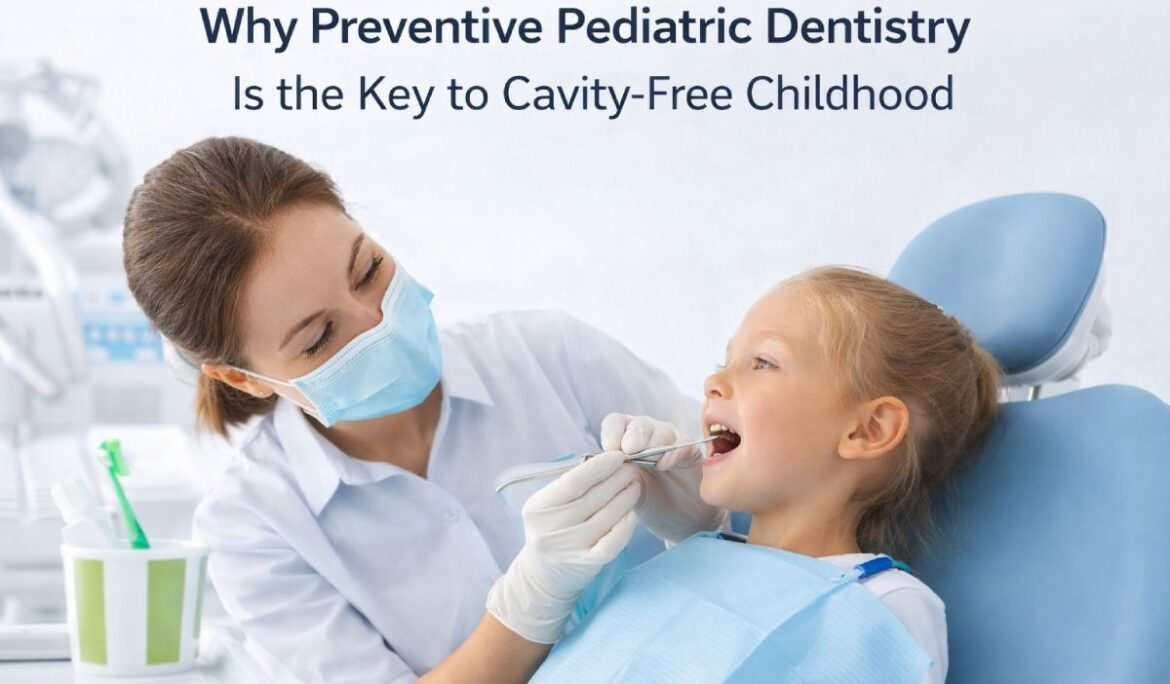
Many dental problems in children do not begin with pain. They begin silently.
- A small white spot on a tooth.
- Food is getting stuck in deep grooves.
- A child falling asleep with a milk bottle.
By the time a child complains of a toothache, the cavity is often already advanced. Preventive pediatric dentistry focuses on stopping dental disease before it starts.
It shifts the focus from:
- treatment → to protection
- drilling → to monitoring
- fear → to familiarity
This early and structured approach is the reason some children grow up without ever experiencing a cavity.
For parents searching for a pediatric dentist in Dubai, prevention is often the most valuable long-term benefit, because it reduces:
- dental pain
- emergency visits
- complex procedures
- treatment costs
Most importantly, it helps children develop a positive, fearless relationship with dental care.
What Is Preventive Pediatric Dentistry?
Preventive pediatric dentistry is an ongoing process that begins when the first tooth appears and continues through adolescence. It is not limited to dental cleanings.
It includes:
- risk assessment for cavities
- monitoring tooth eruption
- evaluating jaw growth
- strengthening enamel
- guiding parents on daily habits
Each visit is used to detect small changes early. When problems are identified early, they can often be managed without drilling or injection.
This approach helps children experience dental visits as:
- normal
- comfortable
- routine
instead of stressful.
Why Some Children Get Cavities More Easily Than Others
Cavities are not caused by sugar alone. They are the result of multiple risk factors acting in concert.
These include:
Feeding and Dietary Habits
Frequent snacking, prolonged bottle feeding, and sugary drinks increase acid exposure. Teeth that are exposed to acid multiple times a day do not get enough time to recover.
Enamel Strength
Some children naturally have weaker enamel, making their teeth more susceptible to decay.
Oral Hygiene Technique
Young children lack the hand coordination to brush effectively. Even with twice-daily brushing, plaque may remain in deep grooves and between teeth.
Bacterial Transmission
Cavity-causing bacteria can be transferred from caregivers via shared utensils or by cleaning pacifiers in the mouth.
Preventive care identifies these risks early and creates a personalized protection plan.
The Importance of the First Dental Visit
The first dental visit is recommended by the age of one or within six months of the first tooth erupting. This visit is rarely about treatment.
It is about:
- assessing risk
- guiding parents
- familiarizing the child with the dental setting
During this visit, parents receive practical advice on:
- brushing technique for infants
- teething care
- feeding habits
- fluoride use
For the child, this visit creates a memory of a calm and friendly environment.
Children who start early usually:
- cooperate better
- have fewer cavities
- need less complex treatment later
How Fluoride Protects Developing Teeth
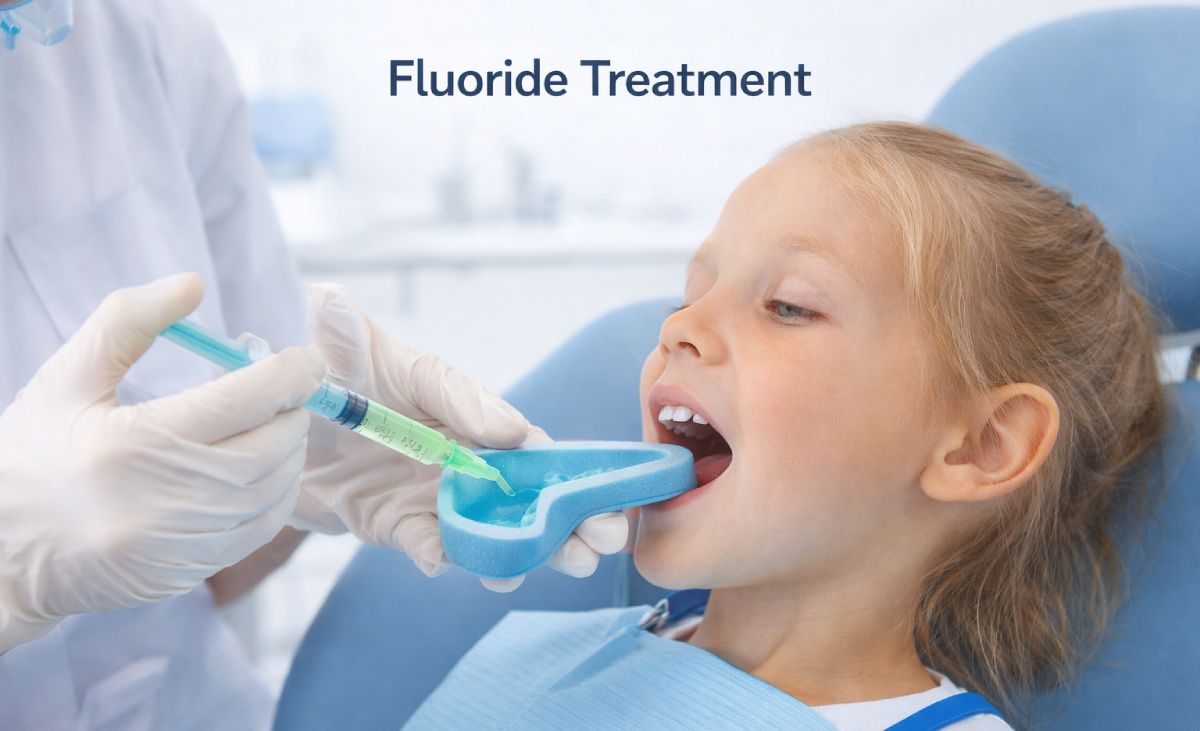
Fluoride is one of the most effective preventive tools in pediatric dentistry.
It works by:
- strengthening enamel
- making teeth more resistant to acid
- reversing early stages of decay
Professional fluoride application is quick and comfortable.
It is especially important for children who:
- have early white spot lesions
- Are at high risk for cavities
- wear orthodontic appliances
When combined with proper brushing, fluoride significantly reduces the chance of decay.
Dental Sealants – Protection for Deep Grooves
Molars have natural pits and grooves where food easily gets trapped. These areas are difficult for children to clean properly. Dental sealants are protective coatings placed over these grooves.
They:
- prevent food accumulation
- reduce bacterial growth
- lower cavity risk
The procedure is:
- non-invasive
- painless
- quick
Sealants can protect teeth for several years during the cavity-prone stage of childhood.
Silver Diamine Fluoride – Managing Cavities Without Drilling
In very young or anxious children, conventional fillings may not always be the best first option.
Silver Diamine Fluoride (SDF) is a non-invasive method used to:
- Stop cavity progression
- Reduce sensitivity
- Delay or avoid drilling
It is especially useful for:
- early childhood caries
- special needs children
- children with limited cooperation
This approach aligns with the preventive philosophy of managing disease in the least invasive way.
Monitoring Growth and Tooth Eruption
Pediatric dentistry also involves tracking how teeth and jaws develop.
This allows early detection of:
- crowding
- space loss
- abnormal eruption patterns
- jaw growth discrepancies
Early intervention may include:
- space maintainers
- habit correction
- growth-guiding appliances
This reduces the need for future complex orthodontic treatment.
Creating Positive Dental Experiences From an Early Age
Children who visit the dentist only when in pain often develop a fear of dentists. Children who visit regularly for preventive care view the dental clinic as a familiar, routine place.
These visits are:
- short
- comfortable
- interactive
This builds:
- confidence
- cooperation
- trust
A child who grows up without fear of dental visits is more likely to maintain good oral health as an adult.
The Role of Diet in Cavity-Free Childhood
What children eat, and how often they eat, has a direct impact on their dental health. It is not only the amount of sugar that matters, but the frequency of exposure.
Every time a child eats a sugary or sticky snack, the bacteria in the mouth produce acid that weakens enamel. If this happens repeatedly throughout the day, teeth do not get enough time to recover.
This is why preventive pediatric dentistry includes detailed dietary counseling for parents.
Small, practical changes can make a big difference, such as:
- limiting frequent snacking
- avoiding sugary drinks in bottles or sippy cups
- encouraging water between meals
- choosing tooth-friendly snacks
Parents are not simply told what to avoid. They are guided on what to include in a balanced, tooth-friendly diet that supports both oral and overall health.
Why Brushing Alone Is Not Enough
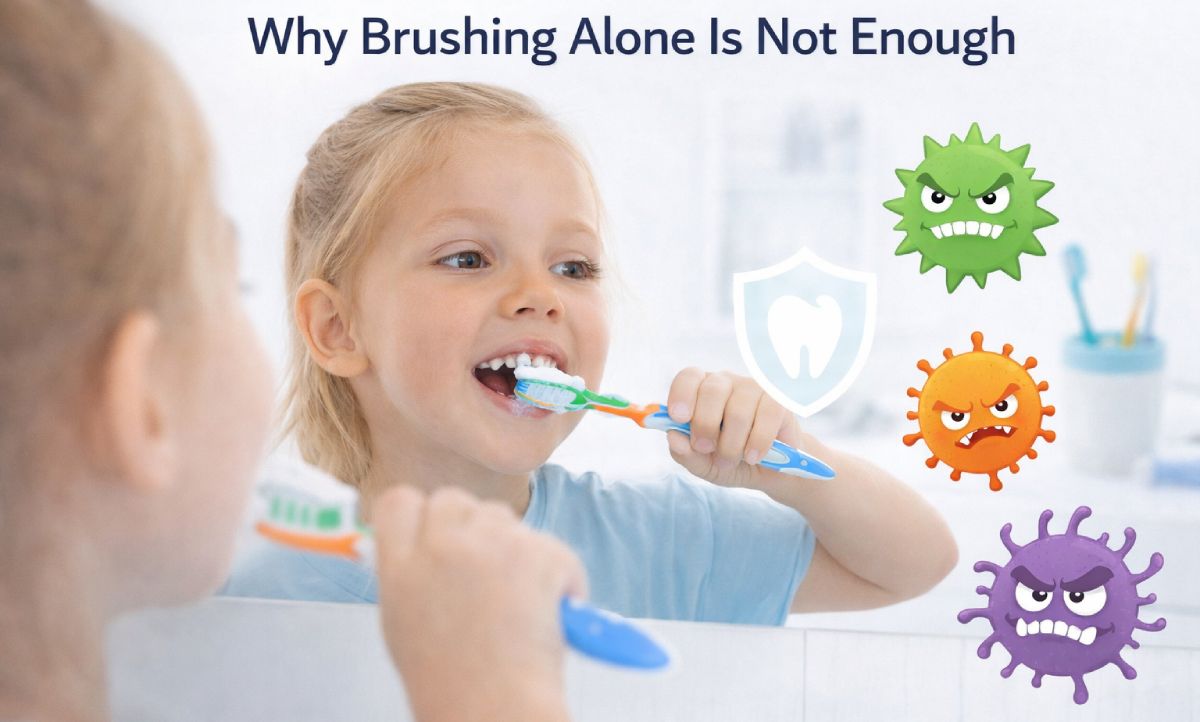
Many parents believe that brushing twice a day completely prevents cavities. Brushing is essential, but for young children, it is often insufficient on its own.
This is because:
- Children lack proper hand coordination
- Deep grooves in molars are difficult to clean
- plaque builds up in hard-to-reach areas
Preventive visits allow the dentist to:
- demonstrate correct brushing technique
- Recommend age-appropriate toothbrushes and toothpaste
- guide parents on supervised brushing
Flossing guidance is also introduced at the appropriate stage, especially when teeth begin to touch. When home care and professional preventive care work together, the risk of cavities drops significantly.
Preventive Care for Children With Special Healthcare Needs
Children with special healthcare needs often have a higher risk of dental disease.
This may be due to:
- Difficulty in maintaining oral hygiene
- dietary patterns
- medications that reduce saliva
- sensory challenges
A preventive approach is especially valuable in these cases because it reduces the need for complex treatment later.
Preventive strategies may include:
- more frequent recall visits
- fluoride applications at regular intervals
- early use of Silver Diamine Fluoride
- caregiver-assisted oral hygiene techniques
These measures help maintain oral health in a way that is comfortable and manageable for both the child and the parents.
How Prevention Reduces the Need for Painful Dental Treatment
When cavities are detected early, treatment is:
- smaller
- simpler
- more comfortable
In many cases, early-stage lesions can be managed without drilling.
This reduces:
- fear of injections
- long appointments
- emergency visits
Children who receive preventive care early rarely associate dental visits with pain. This creates a lifelong positive attitude toward oral health.
Long-Term Cost Benefits of Preventive Pediatric Dentistry
Preventive care is not only a health decision. It is also a financial advantage.
The cost of:
- regular check-ups
- fluoride treatments
- sealants
is significantly lower than the cost of:
- root canal treatment
- crowns
- emergency visits
- treatment under general anesthesia
For families, this means fewer unexpected expenses and better long-term planning.
The Link Between Oral Health, Sleep, and School Performance
Healthy teeth are essential for more than chewing.
Children with untreated cavities often experience:
- disturbed sleep
- difficulty eating
- Reduced concentration in school
- irritability
Pain-free children:
- sleep better
- eat better
- Focus better in class
- participate more confidently in activities
Pediatric dentistry supports a child’s overall development, not just their smile.
How Often Should Preventive Dental Visits Be Scheduled?
Most children benefit from a preventive visit every six months.
However, the frequency may vary depending on the child’s:
- cavity risk
- oral hygiene
- dietary habits
- medical history
Some children may need more frequent visits for closer monitoring and fluoride application.
Regular visits allow:
- early detection
- timely intervention
- continuous parent education
This structured follow-up is one of the strongest predictors of cavity-free childhood.

Creating Lifelong Dental Confidence
A child who grows up with:
- pain-free dental visits
- familiar dental surroundings
- positive reinforcement
is more likely to:
- Continue regular dental check-ups as an adult
- Maintain better oral hygiene
- avoid dental fear
Preventive pediatric dentistry is not only about protecting teeth in childhood. It is about shaping lifelong health behavior.
Why Parents Searching for a Pediatric Dentist in Dubai Are Choosing Prevention First
Parents today are more informed and proactive. They are not waiting for pain to appear.
They are searching for:
- pediatric dentist in Dubai
- Good pediatric dentist in Dubai
- best pediatric dentist in Dubai
Who can help their child:
- avoid cavities
- feel comfortable
- build healthy habits
Prevention-focused care answers all of these concerns.
FAQs – Preventive Pediatric Dentistry
At what age should preventive dental care begin?
Preventive care should begin by the child’s first birthday or when the first tooth appears.
Are fluoride treatments safe for children?
Yes. Professional fluoride is applied in controlled amounts and strengthens enamel, making teeth more resistant to decay.
Do all children need dental sealants?
Sealants are recommended for molars with deep grooves that brushing cannot effectively clean.
Can early cavities be treated without drilling?
In many cases, early lesions can be managed with fluoride or Silver Diamine Fluoride.
How often should my child visit the dentist?
Most children benefit from a preventive visit every six months, but the schedule may vary based on individual risk.
Why Preventive Pediatric Dentistry Is the Foundation of a Healthy Smile
Cavity-free childhood is not the result of luck.
It is the result of:
- early visits
- risk assessment
- parent education
- protective treatments
- regular monitoring
When prevention becomes a routine, dental treatment becomes minimal.
Children grow up:
- healthy
- confident
- fear-free
Book a Preventive Dental Visit for Your Child
If you are looking for a pediatric dentist in Dubai who focuses on prevention, comfort, and long-term oral health, you can schedule a consultation at Bay Avenue Dental Clinic.
A preventive visit today can help your child avoid complex dental problems in the future and build a lifetime of healthy smiles.