
What is Gum Disease? Periodontal Disease Symptoms, Causes, Treatment, Prevention
Introduction: What Is Gum Disease?
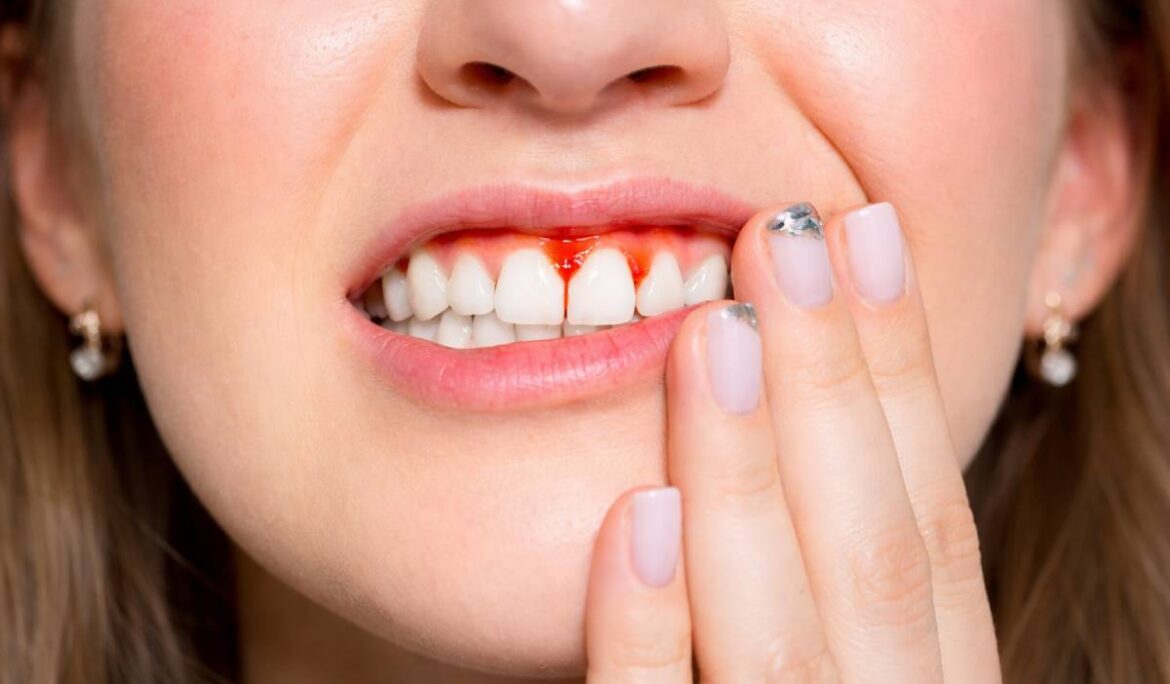
Gum disease, also known as periodontal disease, is a chronic bacterial infection that affects the gums and the bone supporting the teeth. It often begins quietly, without pain, which is why many people don’t notice it early. The first stage usually shows up as red or bleeding gums during brushing. Over time, if bacteria are not removed, the infection spreads below the gum line.
As the disease progresses, gums start pulling away from teeth, bone loss begins, and teeth may loosen or shift. In advanced cases, tooth loss becomes unavoidable. This is why early diagnosis and gum disease treatment in Dubai is essential to protect long-term oral health.
Understanding Periodontal Disease in Simple Terms
Periodontal disease develops when harmful bacteria collect along the gum line and below it. These bacteria live inside plaque, a sticky layer that forms on teeth every day. When plaque is not removed through proper brushing and flossing, it hardens into tartar, which cannot be removed at home.
Once tartar forms, bacteria continue to irritate the gums, causing inflammation and infection. Over time, this infection damages the tissues and bone holding teeth in place. A gum specialist periodontist, focuses on stopping this bacterial spread and preventing permanent damage through professional care and long-term maintenance.
Stages of Gum Disease
Gingivitis (Early Stage)
Gingivitis is the earliest and most common stage of gum disease. At this point, only the gums are affected, and there is no bone loss. Gums may appear swollen, red, and bleed easily during brushing or flossing.
The important thing to know is that gingivitis is completely reversible. With proper oral hygiene and professional cleaning by a gum disease dentist, gums can return to a healthy state within weeks. Ignoring gingivitis, however, allows bacteria to spread deeper and leads to more serious periodontal problems.
Periodontitis (Advanced Stage)
Periodontitis occurs when gingivitis is left untreated. In this stage, bacteria move below the gum line and create deep pockets between the teeth and gums. These pockets trap more bacteria, making the infection harder to control.
As bone and connective tissue break down, teeth may feel loose, sensitive, or painful when chewing. At this stage, treatment requires care from the best periodontist in Dubai, as routine cleaning alone is no longer sufficient. Without professional intervention, tooth loss becomes likely.
Causes & Risk Factors of Gum Disease
The primary cause of gum disease is plaque buildup caused by poor oral hygiene. However, several factors increase the risk and severity of the condition.
Smoking is one of the strongest risk factors, as it reduces blood flow to the gums and slows healing. Diabetes makes infections harder to control. Hormonal changes during pregnancy or menopause increase gum sensitivity. Stress, poor nutrition, genetics, certain medications, and weakened immunity also play a role.
A gum specialist doctor evaluates both oral and systemic factors before creating a personalized treatment plan.
Symptoms You Should Never Ignore
Gum disease rarely causes pain in its early stages, which makes it easy to ignore. Bleeding gums are often dismissed as minor, but they are one of the earliest warning signs of infection.
Persistent bad breath, gum recession, tooth sensitivity, and discomfort while chewing all suggest advancing disease. When teeth begin to feel loose or your bite changes, bone loss has already started. Seeking help from a gum disease dentist at this stage can prevent further damage and reduce treatment complexity.
How Gum Disease Is Diagnosed
Diagnosis starts with a detailed gum examination. A gum specialist in Dubai measures the depth of gum pockets and checks for inflammation and bleeding. X-rays are used to evaluate bone levels around teeth.
Medical history is also important, as conditions like diabetes affect gum health. Early diagnosis allows simpler treatment options and lowers the overall gum disease treatment cost.
Gum Disease Treatment in Dubai (Early & Moderate Stages)
Non-Surgical Treatments
Early and moderate gum disease usually responds well to non-surgical treatment.
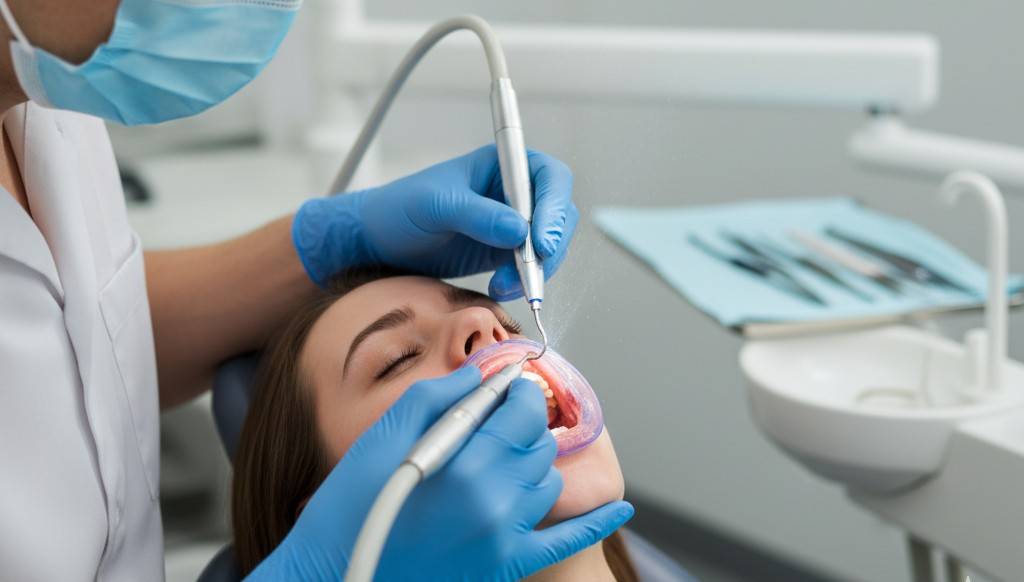
Professional dental cleaning removes plaque and tartar above the gum line. Scaling and root planing, also called deep cleaning, removes bacteria from below the gums and smooths the tooth roots to help the gums reattach naturally.
In some cases, antibiotics are prescribed to control infection. A gum specialist periodontist decides the right combination based on disease severity.
Gum Bleeding Treatment in Dubai
Bleeding gums are often the first sign of gum disease. Treatment focuses on removing plaque, correcting brushing habits, and reducing inflammation.
Professional cleaning, antibacterial mouthwashes, and improved daily hygiene usually stop bleeding within days. Ignoring bleeding gums allows infection to progress, increasing the need for advanced Periodontal treatment in Dubai later.
Gum Recession and Its Treatment
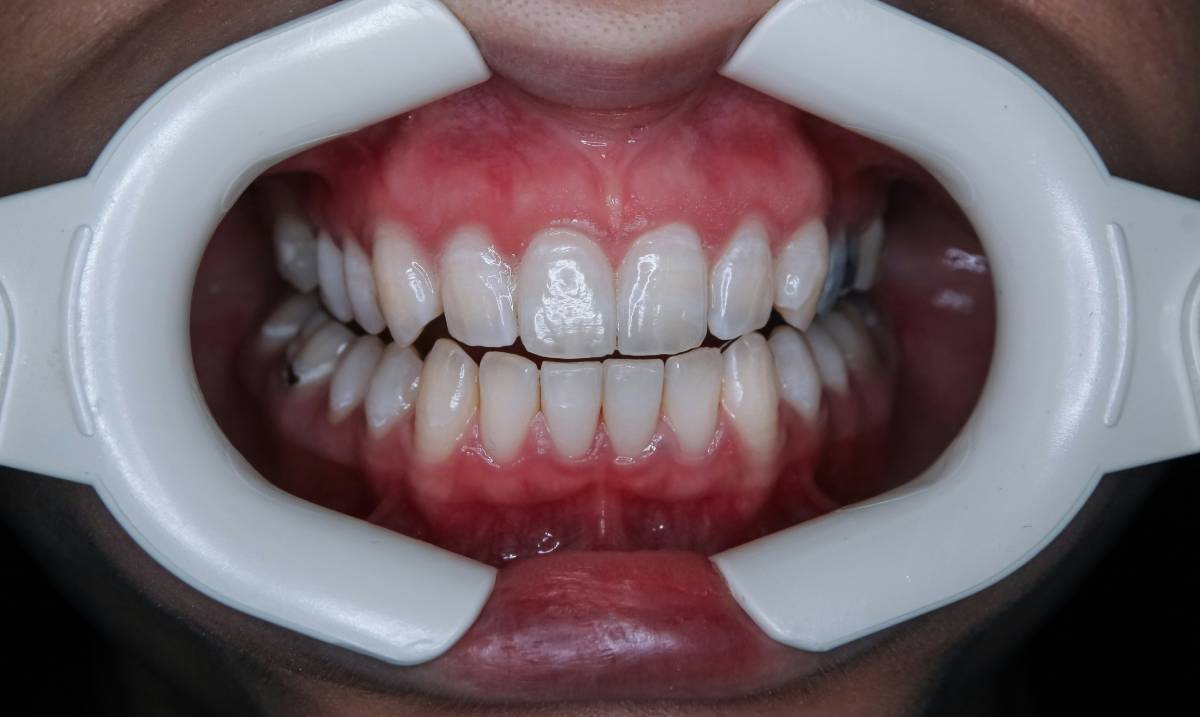
Gum recession happens when infected or inflamed gums pull away from teeth, exposing the tooth roots. This increases sensitivity and raises the risk of decay.
Gum recession treatment in Dubai may involve deep cleaning, gum grafting, or regenerative procedures, depending on severity. A gum specialist in Dubai assesses whether surgical treatment is needed or if conservative care is sufficient.
Home Care & Long-Term Prevention
Successful treatment depends heavily on daily care at home. Brushing twice daily, flossing once daily, and using antimicrobial mouthwash are essential.
Regular dental checkups allow early detection of recurring problems. Even after treatment, ongoing maintenance is necessary to prevent relapse and protect your investment in oral health.
Advanced Gum Disease Treatment, Cost, Prevention & Choosing the Right Specialist
Surgical Gum Disease Treatment in Dubai (Advanced Periodontitis)
When gum disease reaches an advanced stage, non-surgical methods alone may no longer be effective. At this point, infection has already caused deep gum pockets and bone loss. Surgical intervention becomes necessary to stop further damage and stabilize the teeth.
A gum specialist in Dubai evaluates pocket depth, bone loss, and gum recession before recommending surgery. These procedures aim to remove bacteria, restore damaged tissue, and reduce the chance of tooth loss.
Advanced Periodontal treatment in Dubai focuses on long-term stability rather than quick fixes.
Pocket Reduction Surgery (Flap Surgery)
Pocket reduction surgery, also known as flap surgery, is one of the most common procedures for advanced gum disease.
During the procedure:
- The gums are gently lifted away from the teeth
- Deep tartar and bacteria are removed
- Bone irregularities may be smoothed
- Gums are repositioned snugly around teeth
This reduces pocket depth and makes daily cleaning easier. A gum specialist periodontist often recommends this surgery when pockets are deeper than 5mm and continue to worsen despite deep cleaning.
Bone Grafting for Gum Disease
Bone grafting is recommended when gum disease has destroyed the bone supporting the teeth. Without enough bone, teeth become unstable and may eventually fall out.
Bone grafting involves placing natural or synthetic bone material in the damaged area to encourage regrowth. Over time, your body integrates the graft and strengthens the jawbone.
This procedure is commonly part of advanced gum disease treatment in Dubai, especially for patients planning future dental implants.
Guided Tissue Regeneration (GTR)
Guided tissue regeneration is used when both bone and gum tissue are lost.
A special membrane is placed between the gum and bone to:
- Prevent unwanted tissue growth
- Allow bone and connective tissue to regenerate
- Improve long-term tooth stability
The best periodontist in Dubai uses this technique to save teeth that might otherwise be lost.
Gum Disease Treatment Cost (What Affects Pricing)
Many patients ask about gum disease treatment cost, but pricing varies depending on severity.
Factors that influence cost:
- Stage of gum disease
- Number of teeth affected
- Type of treatment needed
- Use of surgical procedures
- Frequency of follow-up care
Early-stage treatment costs significantly less than advanced surgical procedures. Seeing a gum specialist doctor early helps reduce both treatment complexity and long-term expenses.
Gum Bleeding Treatment in Dubai: When to Act
Bleeding gums should never be ignored. Even occasional bleeding signals inflammation and bacterial infection.
Gum bleeding treatment in Dubai typically starts with professional cleaning and improved oral hygiene. In moderate cases, deep cleaning and antibacterial therapy may be needed.
If bleeding continues after basic care, it often indicates deeper periodontal disease requiring specialized care from a gum disease dentist.
Gum Recession Treatment in Dubai: Protecting Exposed Roots
Gum recession exposes the roots of teeth, leading to sensitivity, decay, and cosmetic concerns.
Gum recession treatment in Dubai depends on severity and may include:
- Deep cleaning
- Desensitizing agents
- Gum graft surgery
A gum specialist periodontist, determines whether recession can be stabilized or needs surgical correction.
Prevention After Treatment: How to Stop Gum Disease from Returning
Treating gum disease is only part of the solution. Preventing recurrence is equally important.
Long-term prevention includes:
- Brushing twice daily with proper technique
- Daily flossing or interdental cleaning
- Regular professional cleanings
- Using antimicrobial mouthwash if advised
- Managing medical conditions like diabetes
Patients who follow maintenance plans after Periodontal treatment in Dubai enjoy healthier gums and avoid repeat procedures.
Choosing the Right Gum Specialist in Dubai
Not all dentists specialize in gum disease. Advanced cases require care from a trained gum specialist periodontist.
When choosing a provider, look for:
- Experience in periodontal treatments
- Advanced diagnostic tools
- Clear treatment explanations
- Long-term maintenance planning
The best periodontist in Dubai focuses on preserving teeth, preventing relapse, and improving overall oral health.
When Should You See a Gum Specialist Doctor?
You should consult a gum specialist doctor if you notice:
- Bleeding gums that don’t stop
- Gum recession
- Persistent bad breath
- Loose teeth
- Pain while chewing
Early intervention often avoids surgery and reduces gum disease treatment cost.
FAQs About Gum Disease
What is Gum Disease?
Gum disease is a bacterial infection affecting the gums and bone supporting the teeth, starting with gingivitis and potentially progressing to periodontitis.
Is Gum Disease Treatment Painful?
Modern gum disease treatment in Dubai uses advanced techniques and anesthesia to keep procedures comfortable.
Can Gum Disease Be Cured?
Early gum disease can be reversed. Advanced stages can be controlled but require ongoing care.
How Long Does Treatment Take?
Treatment duration depends on severity and ranges from a few weeks to several months.
Can Gum Disease Cause Tooth Loss?
Yes. Without proper Periodontal treatment in Dubai, gum disease can lead to tooth loss.
Final Thoughts: Gum Health Is Essential for a Healthy Smile
Understanding what is gum disease is the first step toward prevention and long-term oral health. Gum disease affects more than just your gums; it impacts your teeth, bone, and overall well-being.
With early diagnosis, expert care from a gum specialist in Dubai, and consistent home care, gum disease can be controlled and prevented from progressing.
If you notice symptoms, don’t wait. Early care protects your smile and reduces treatment complexity.